LED Linear Lighting Built for Commercial Projects
When sourcing commercial LED linear fixtures, wattage and lumens are only part of the specification. True project success depends on reliable mounting structures, precise continuous-run alignment, seamless joint appearance, comfortable optics, and stable 0–10V dimming compatibility. LIBO engineers and configures suspended, surface-mount, and recessed linear solutions based on your specific project layout and control requirements.
Choose Your LED Linear by Mounting Type
Selecting the correct installation structure is the first step in specifying commercial linear lighting for your architectural layout.
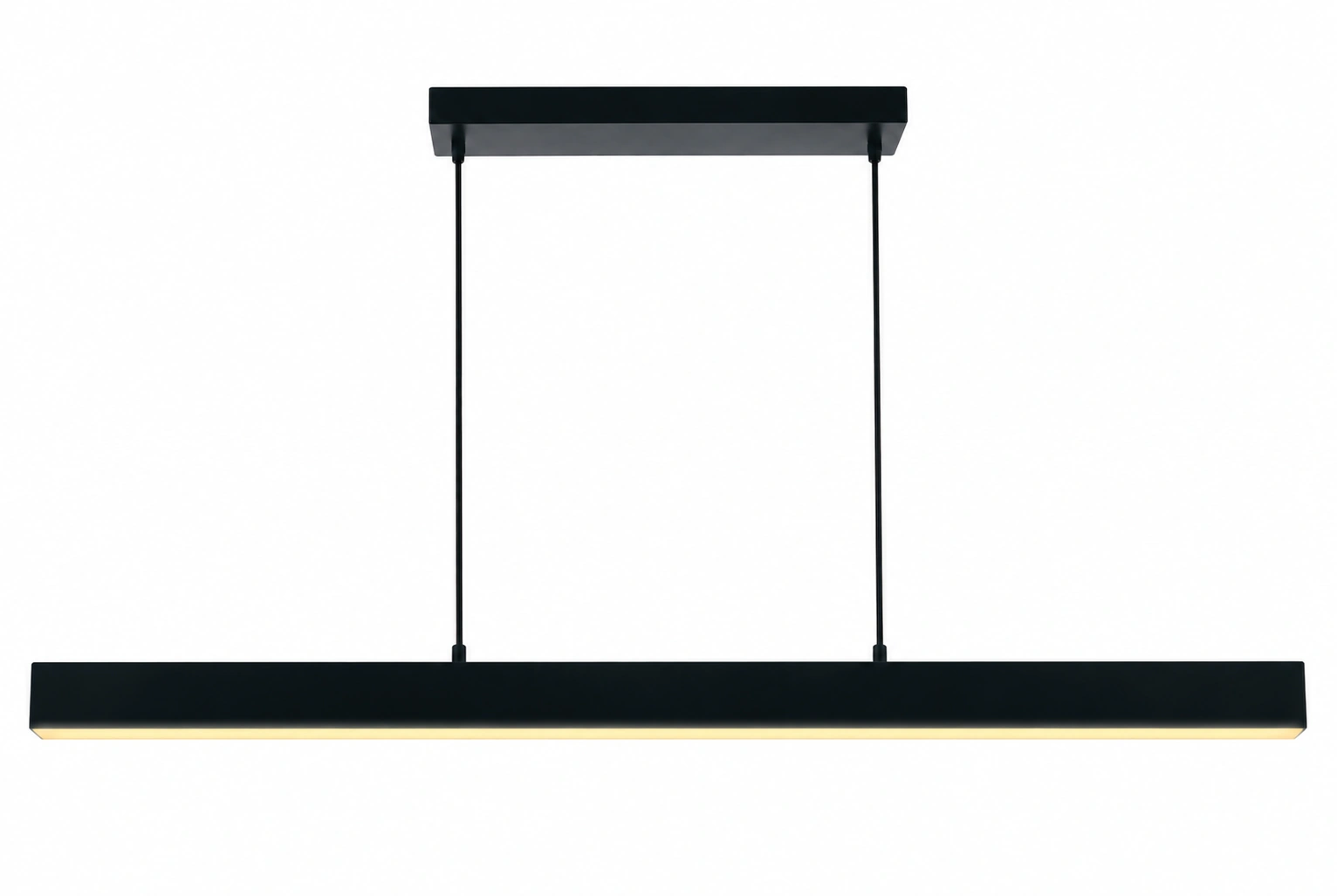
Suspended Linear Light
Suited for open ceilings, offices, and conference rooms. Engineered for individual fixture placement or continuous runs where suspension height and architectural layout coordination are required.
Key Specification Factors:
- • Suspension height & canopy
- • Continuous-run alignment
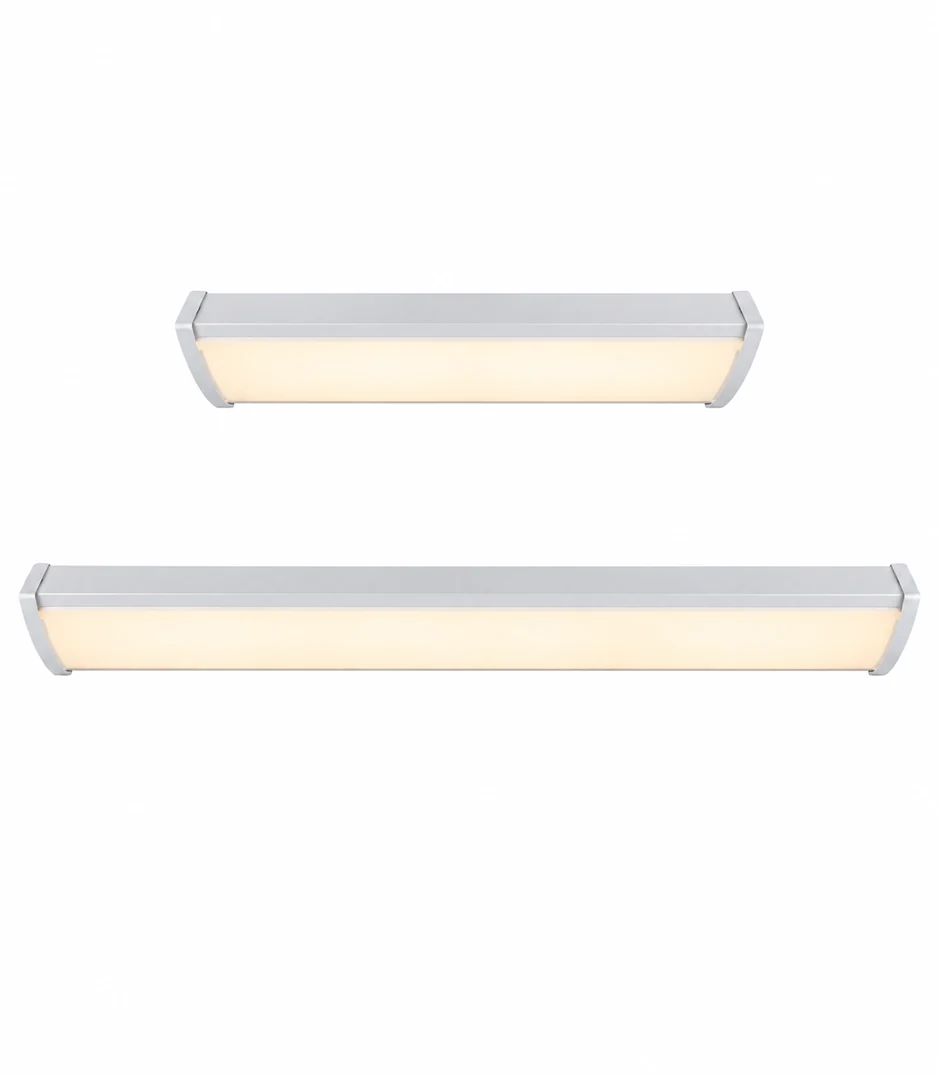
Surface Mount Linear Light
Ideal for hard ceilings, corridors, and spaces where recessed installation cavity is not available. Provides easier retrofit capabilities while maintaining continuous linear layouts where applicable.
Key Specification Factors:
- • Ceiling surface condition
- • Driver housing space
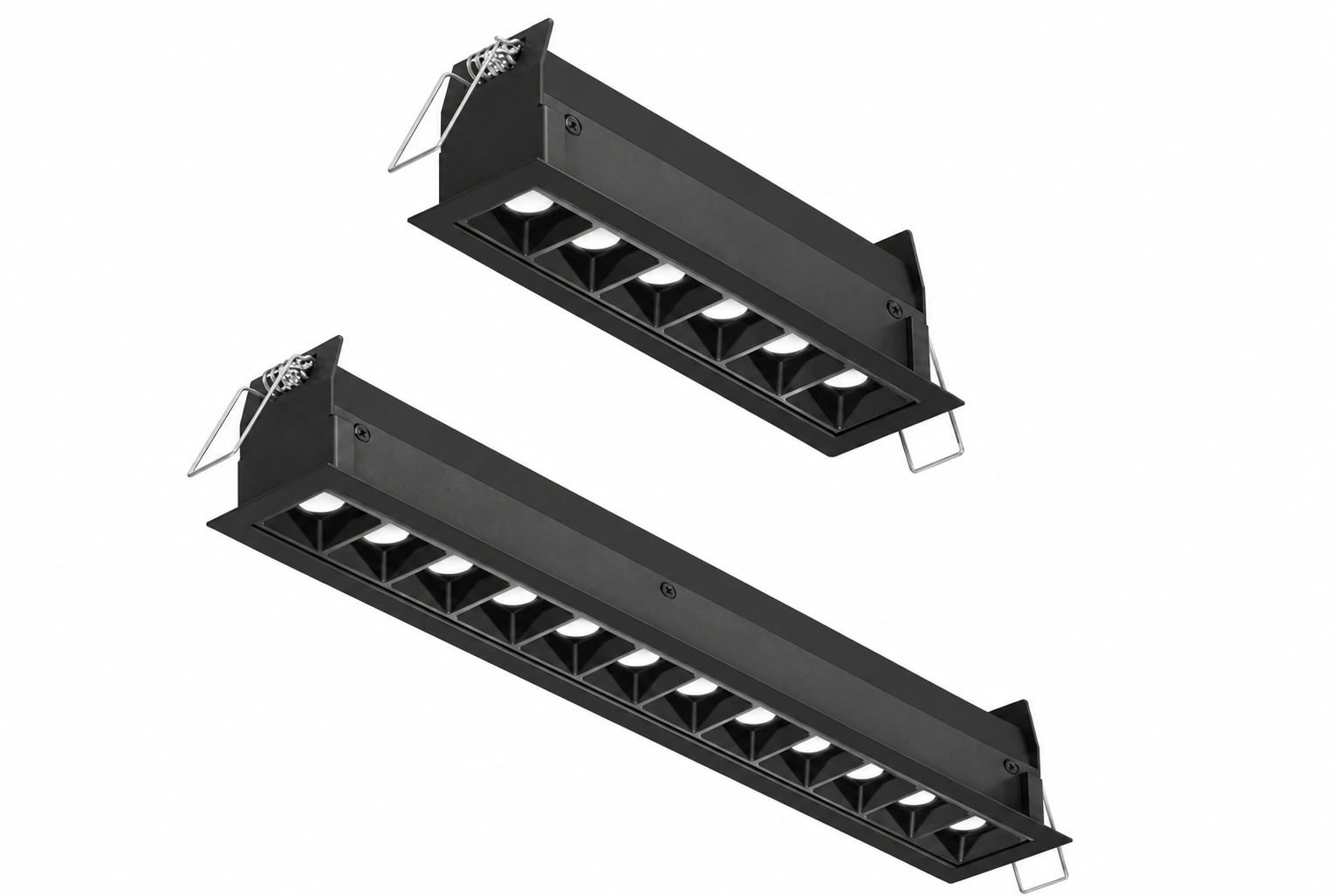
Recessed Linear Light
Designed for architectural ceilings, offices, and retail interiors requiring clean integration. Focuses on precise cutout coordination and continuous alignment flush with the ceiling.
Key Specification Factors:
- • Flange type & cutout dimensions
- • Ceiling plenum depth
Engineering Solutions for Common Linear Lighting Problems
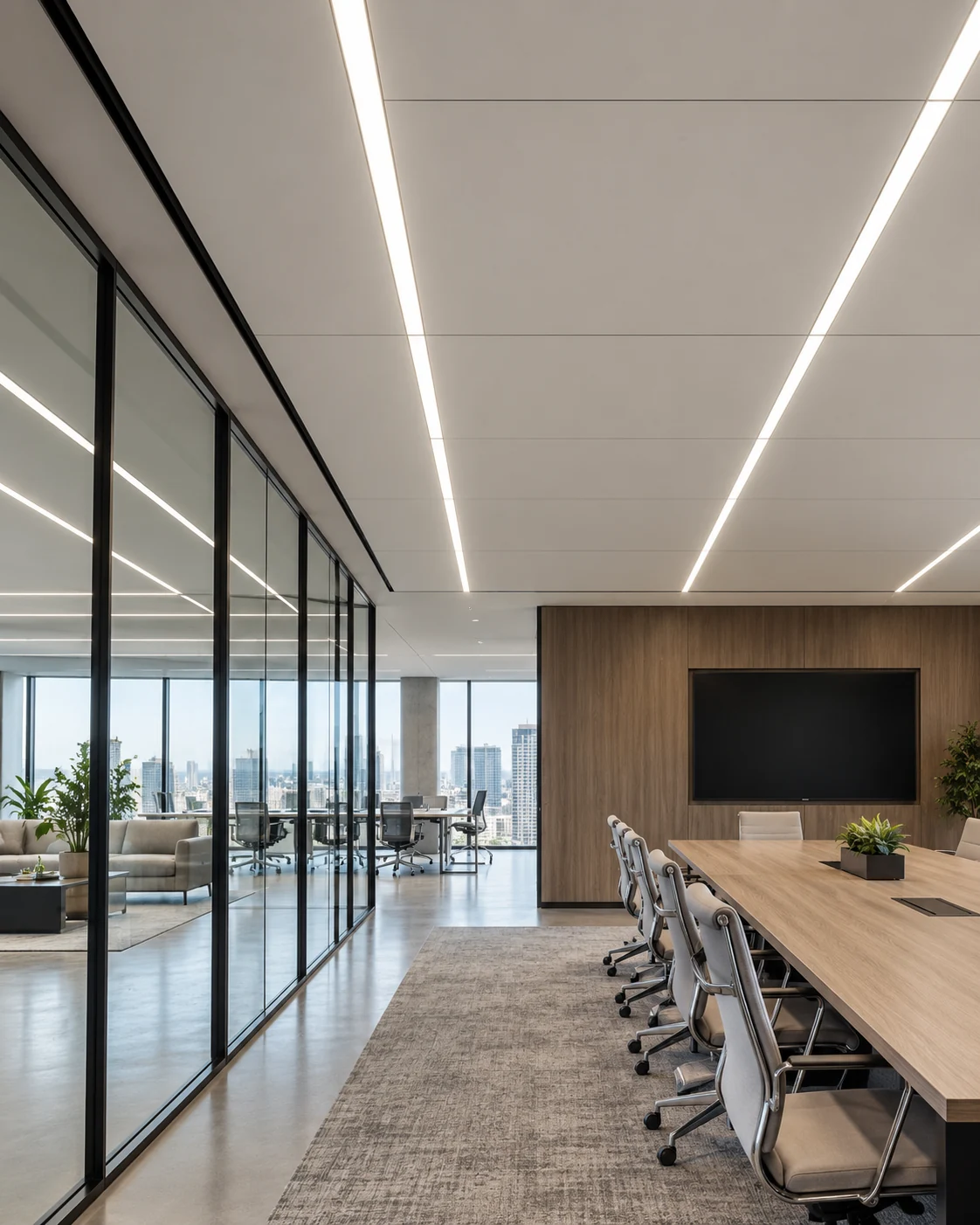
Misaligned Continuous Runs
Field adjustments cost time. We evaluate mounting structures, connectors, and suspension layouts during sample development to ensure mechanical alignment across long runs.
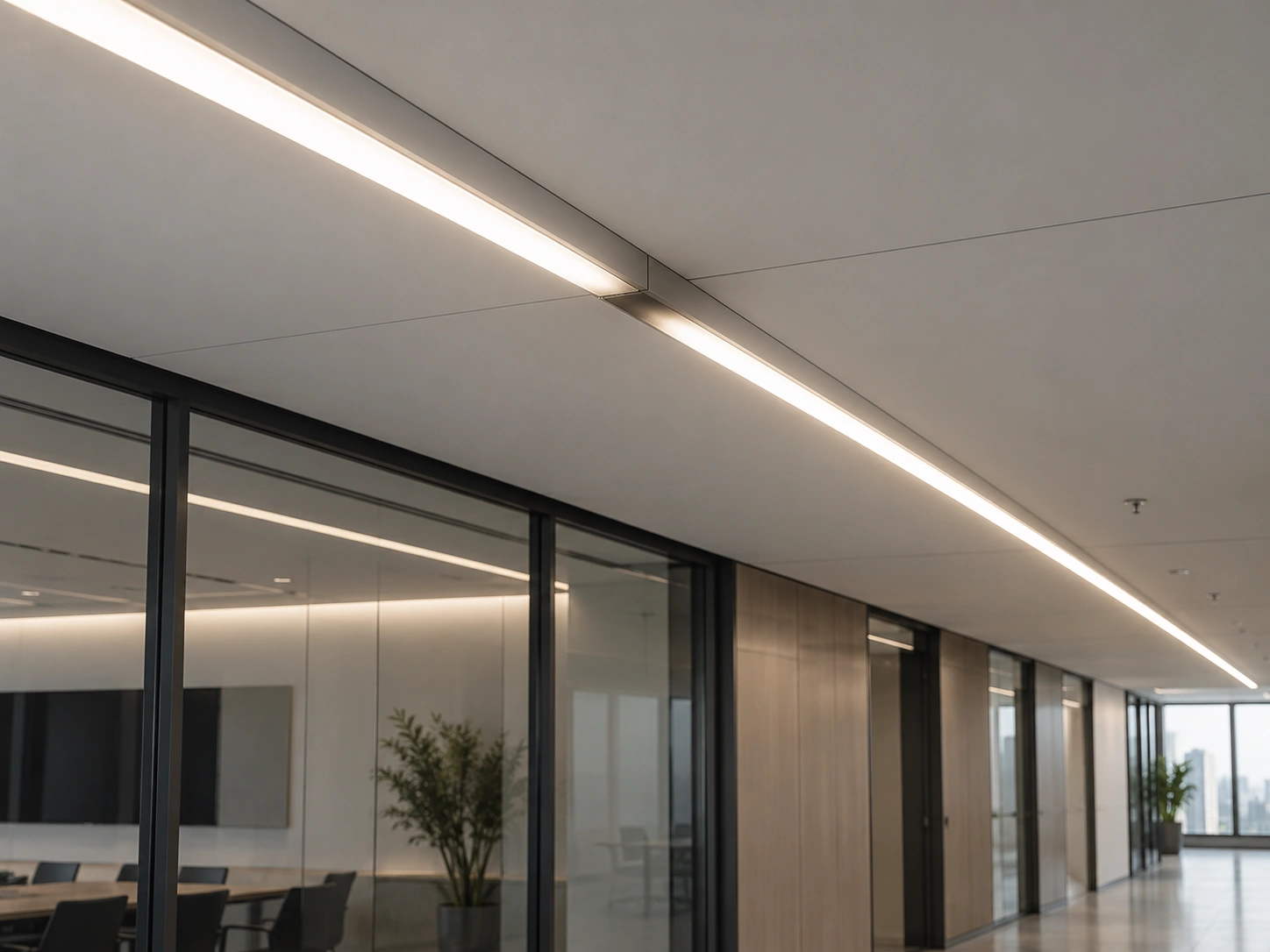
Dark Joints & Uneven Light
A mechanical connection isn't enough. We design LED layouts near joints and evaluate diffuser continuity to reduce visible dark zones for a smoother visual transition.
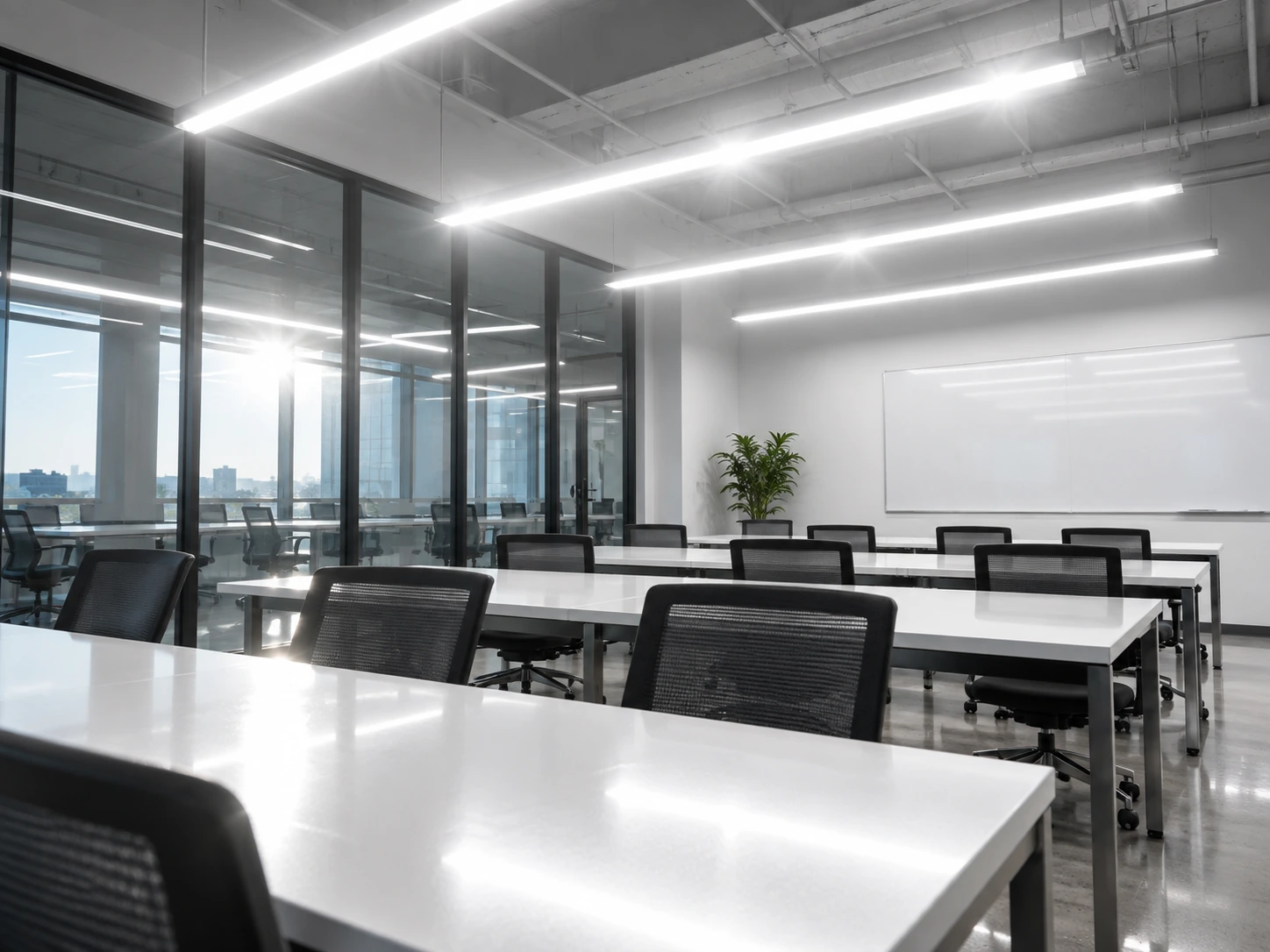
Glare & Harsh Light
High brightness can cause visual fatigue in offices and schools. We focus on diffuser design and optical structures to balance output requirements with visual comfort.
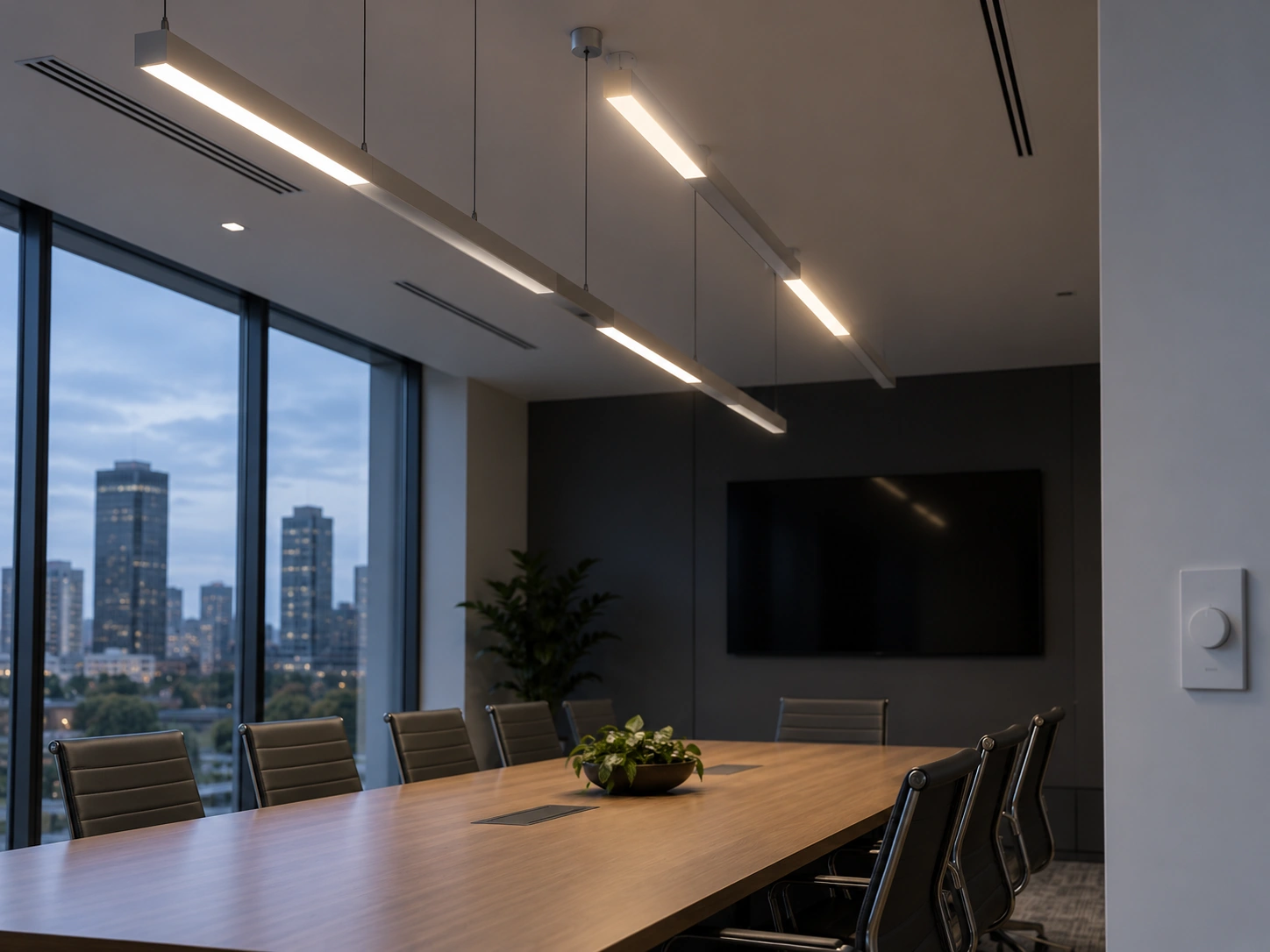
Flicker & Unstable Dimming
Commercial 120–277V projects require reliable controls. We verify driver selection and low-level dimming behavior against target 0–10V systems before mass production.
Continuous Runs Start With Mechanical Alignment
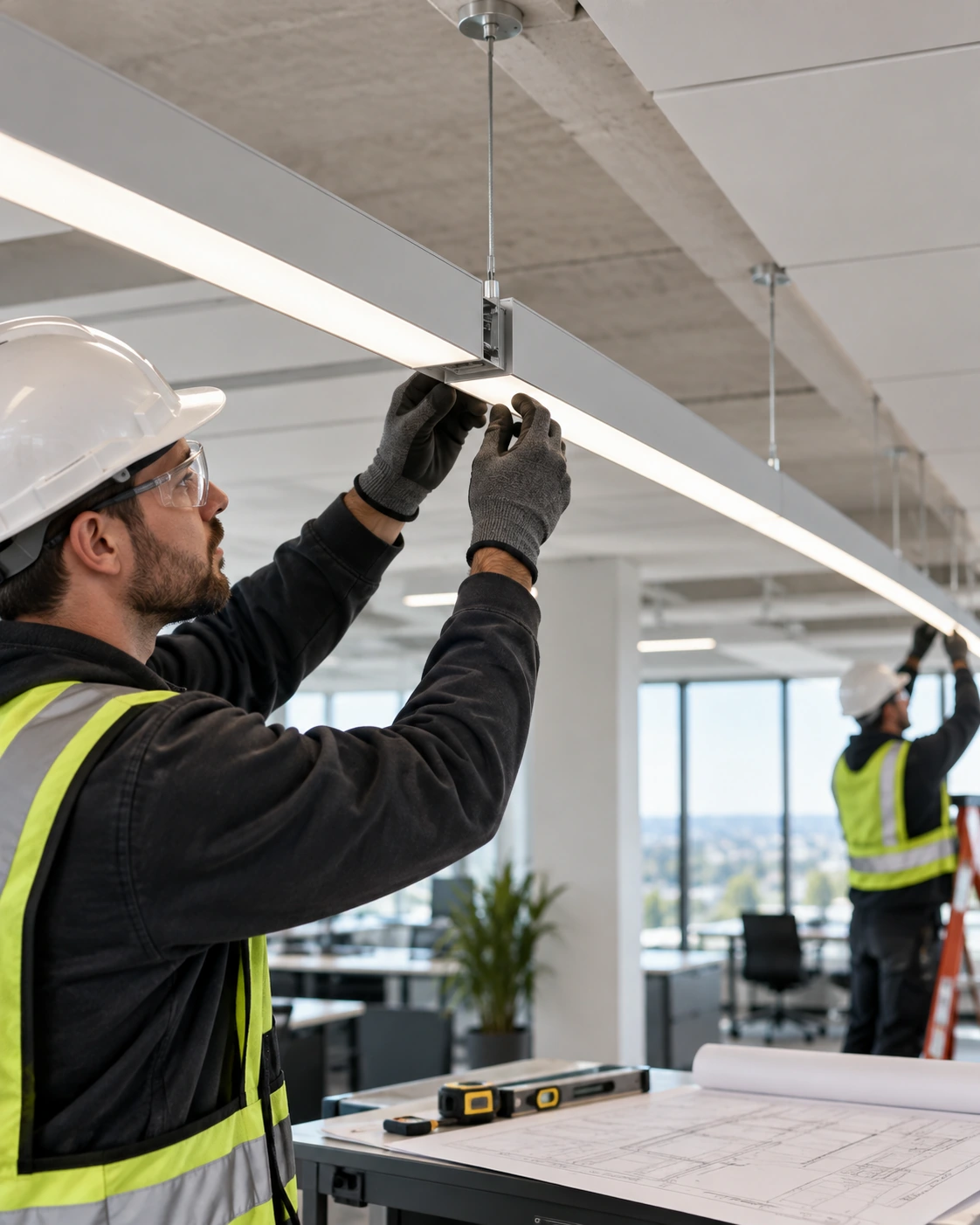
A 20-ft or 40-ft linear run may use several fixture sections. Even when each fixture is dimensionally correct, small differences in mounting position, connector fit, or suspension height can become highly visible across the full architectural run.
During development, LIBO reviews your ceiling layout, fixture lengths, and joining structures. By verifying mounting points and mechanical connectors during the sample stage, we help reduce field adjustments, visible offsets, and unnecessary installation rework on the job site.
A Continuous Fixture Should Look Continuous When It Is On
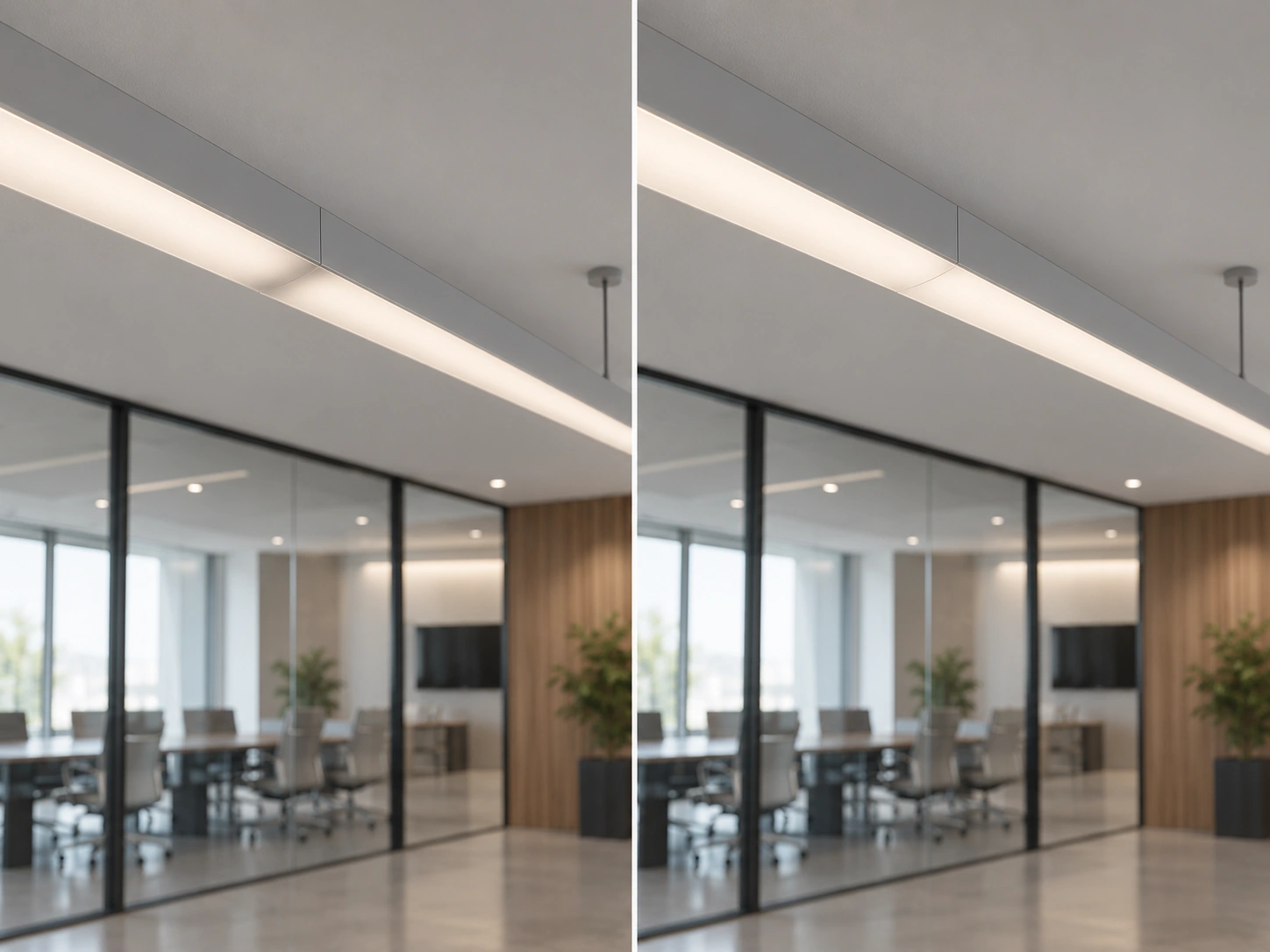
When multiple linear modules are connected, both the mechanical joint and the optical joint require attention. A fixture might feel secure physically, but reveal dark zones or uneven brightness at the connection point once illuminated.
During prototype evaluation, the joint area is evaluated with the fixture illuminated, rather than evaluating only the mechanical connection with the light switched off. We coordinate diffuser connections and LED layouts near the joint to ensure a more consistent continuous-light appearance.
Request a Continuous-Run SampleMore Lumens Do Not Automatically Mean Better Linear Lighting
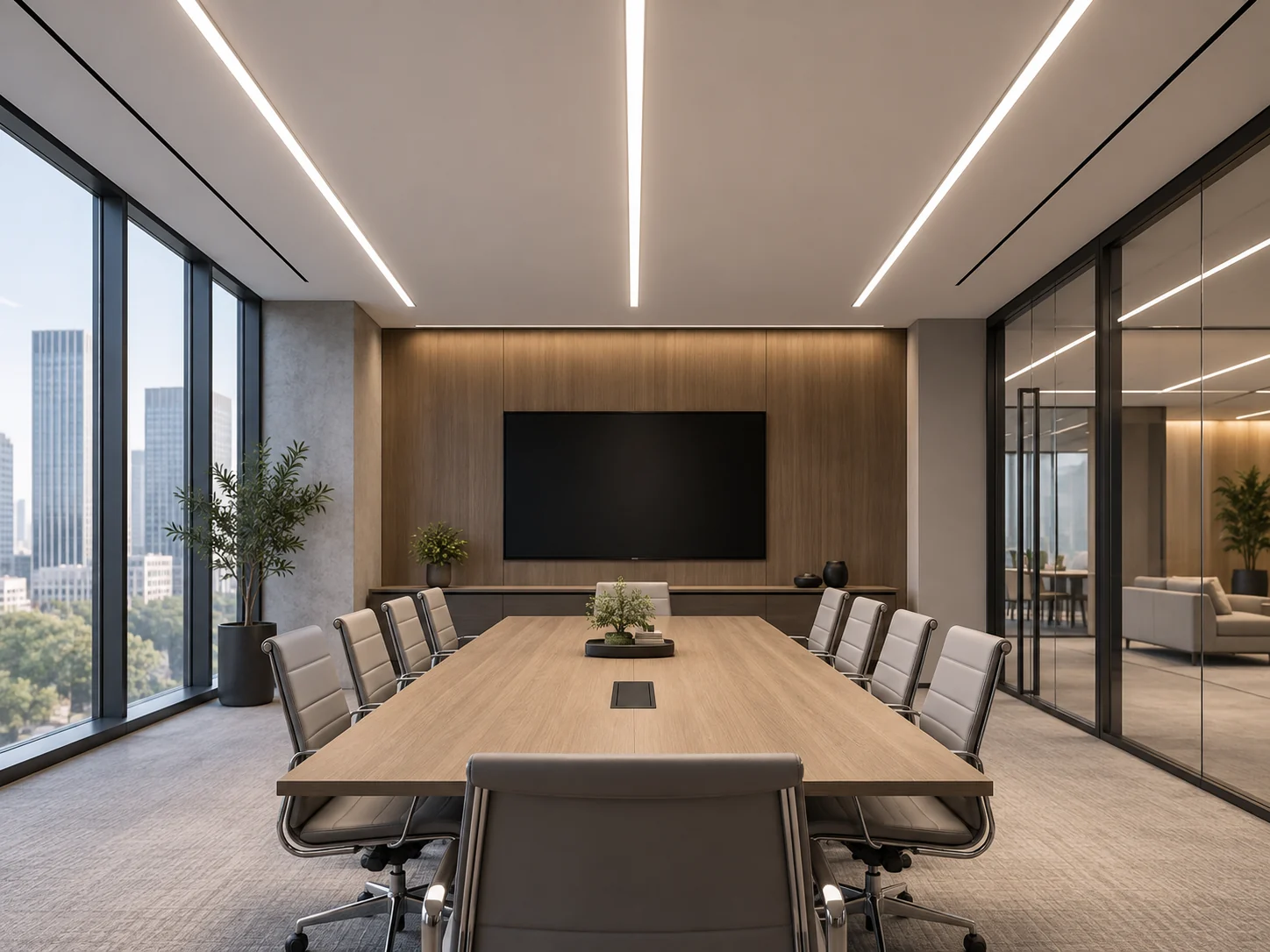
In offices, conference rooms, schools, and retail spaces, linear fixtures are often positioned within normal viewing angles. If the visible LED source is too direct or the diffuser is inadequate, high brightness can lead to glare and visual fatigue.
Product development must balance output requirements with visual comfort. We evaluate diffuser materials, optical structures, LED-to-diffuser spacing, and light distribution to improve workspace application comfort without sacrificing necessary illumination levels.
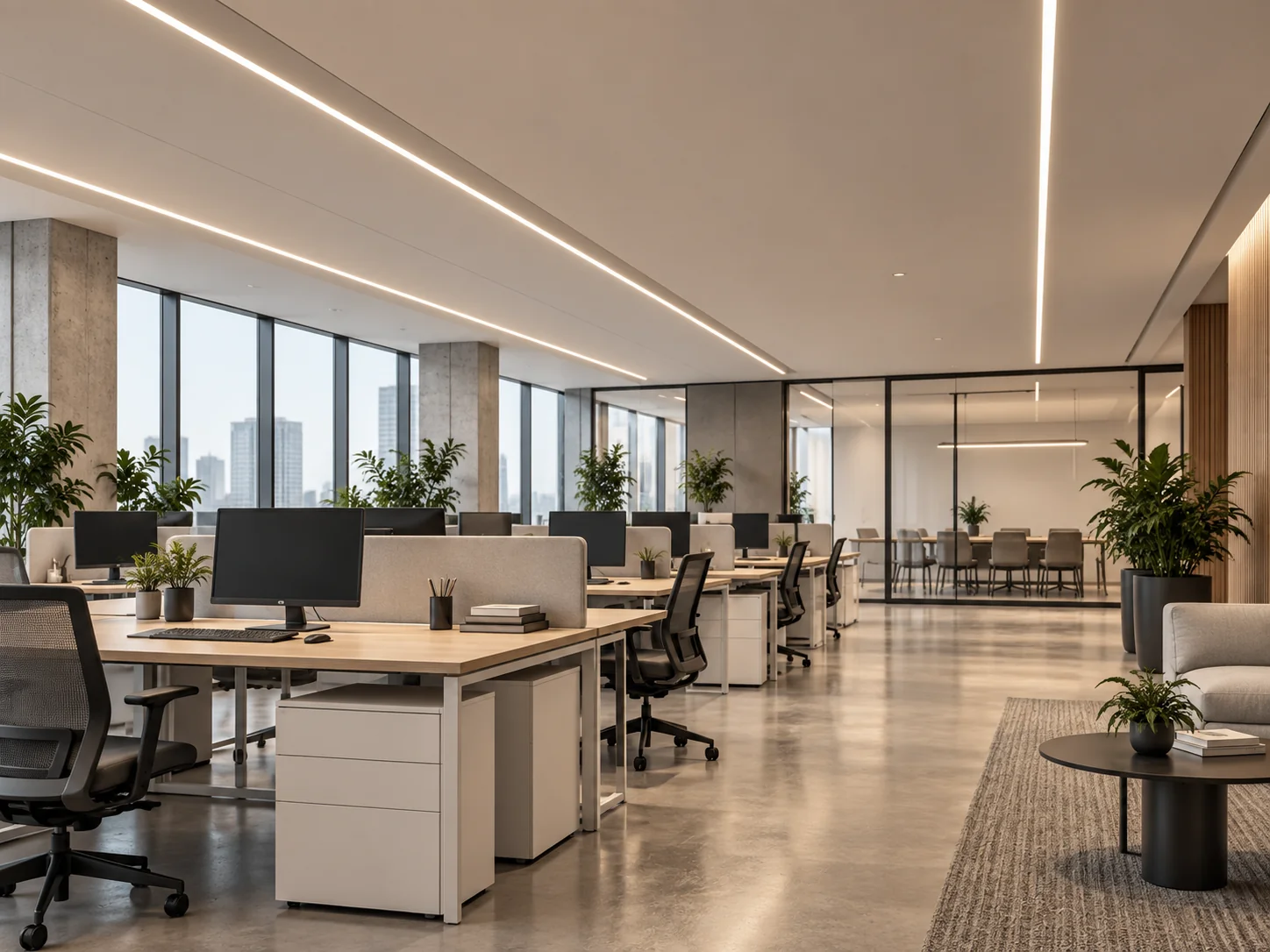
Stable Dimming Requires the Driver and Control to Work Together
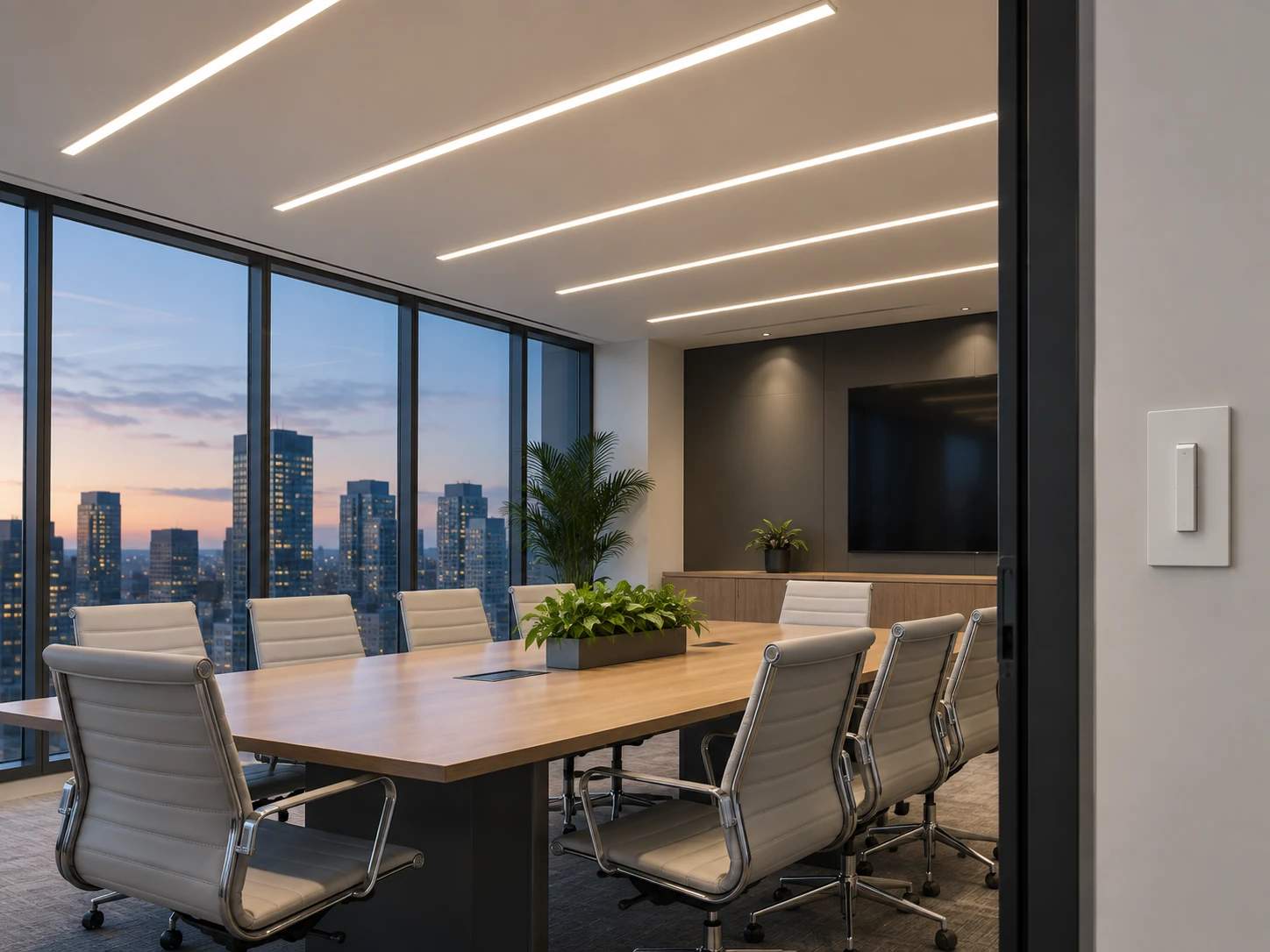
Commercial LED linear projects commonly use 120–277V input with 0–10V dimming. However, simply specifying "0–10V dimmable" does not guarantee consistent performance across all control combinations.
During the project development phase, attention must be given to the driver model, minimum dimming level, and dimming transition. If your project has an approved dimmer list or specific control-system model, send it with the RFQ so compatibility and low-level dimming behavior can be evaluated during sample development.
What Should Be Confirmed Before Ordering LED Linear?
Preparing these specifications helps ensure accurate quoting and correct product configuration for your project.
Suspended, Surface, Recessed
Confirm by model / layout
Individual or Continuous Run
Confirm by project (e.g. 120-277V)
0–10V where applicable
Confirm by model & application
Option according to model
ETL / FCC depending on model
LED Linear Lighting for Commercial Interiors
Office Workspaces
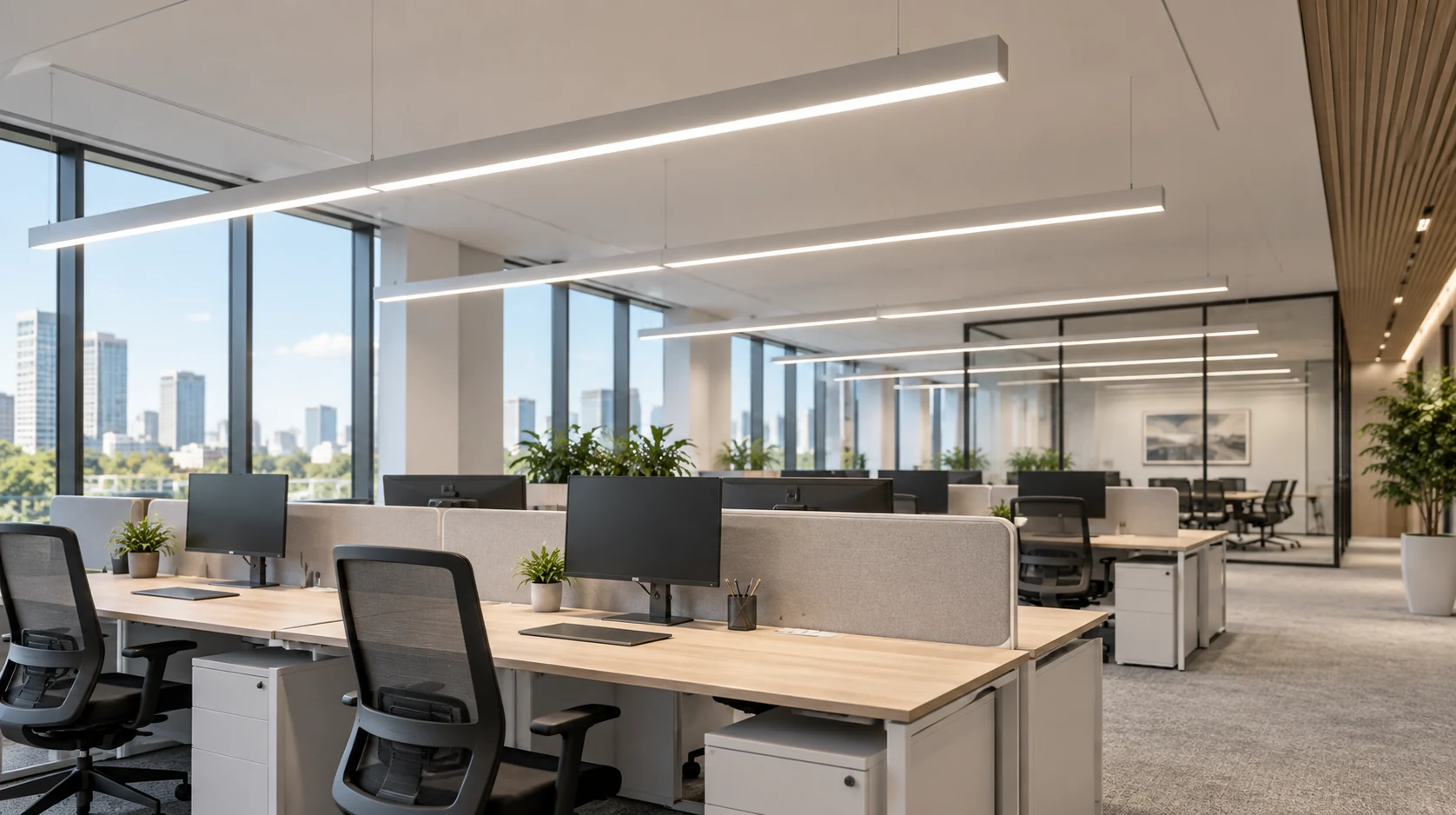
Focuses on glare control, workplane comfort, and continuous-run alignment over desks.
Conference Rooms
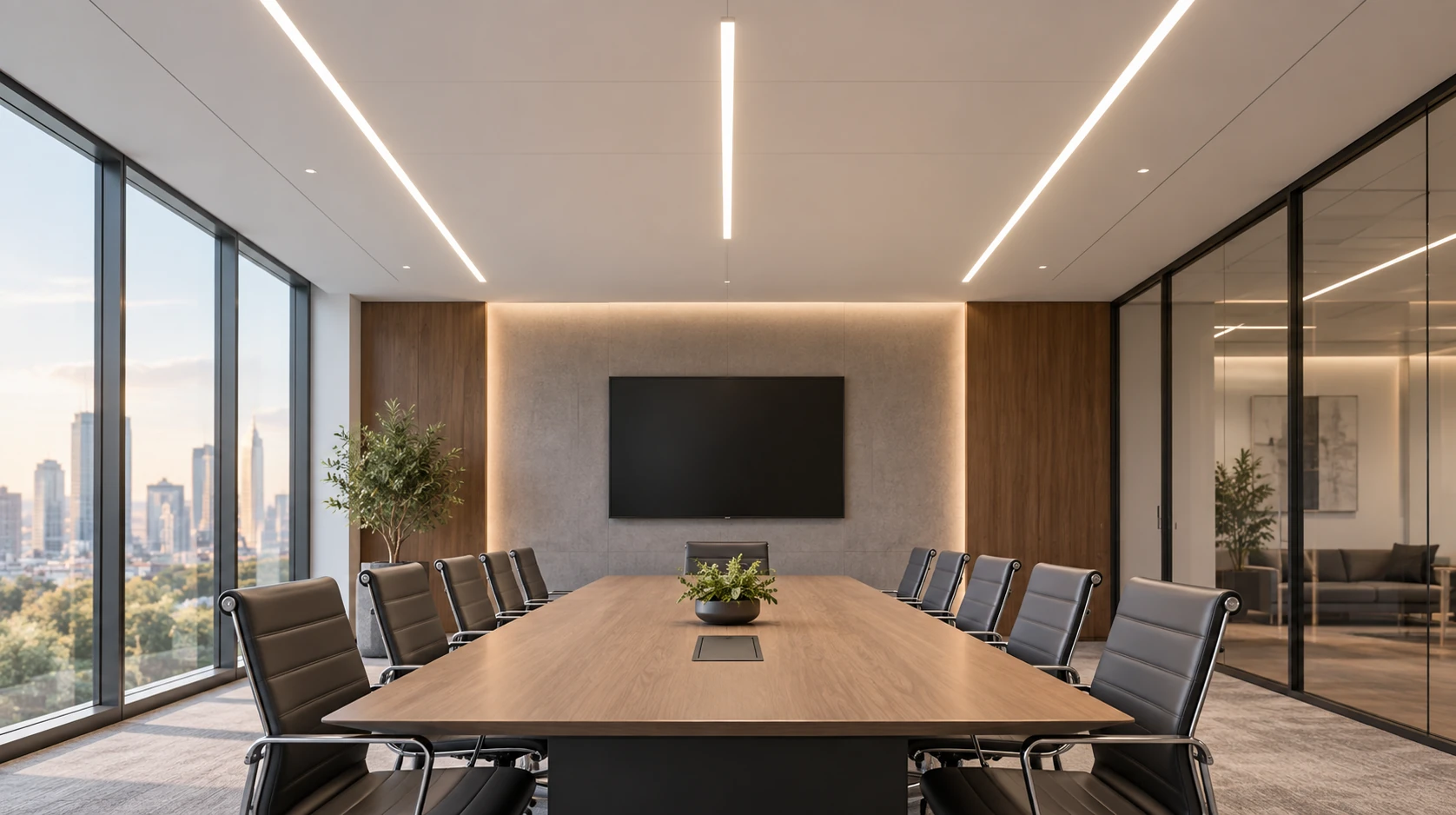
Requires clean ceiling appearance, precise layout coordination, and stable dimming performance.
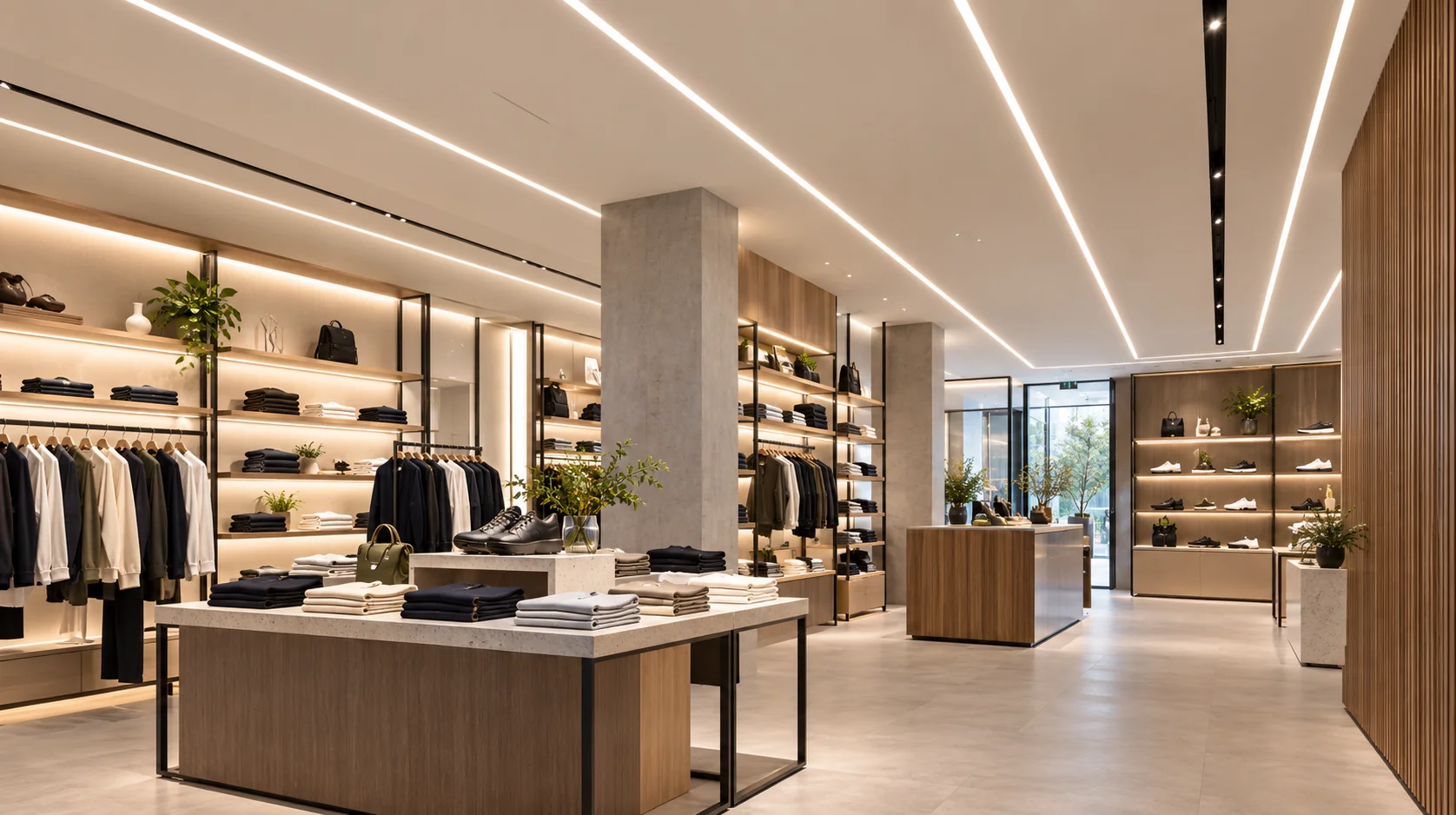
Retail Spaces
Utilizes architectural lines of light to provide uniform illumination across merchandise displays.
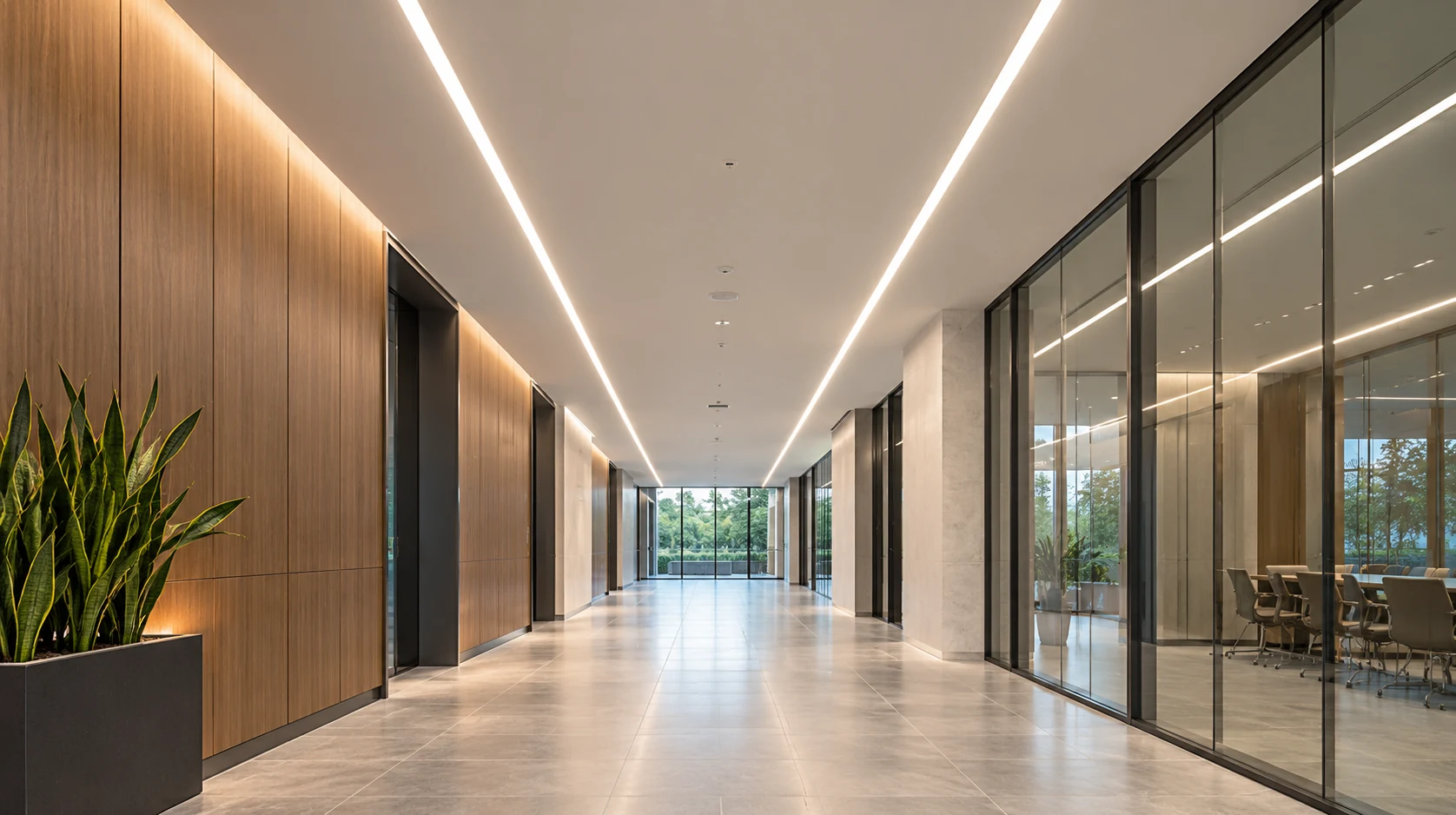
Corridors & Hallways
Demands precise mechanical alignment for long continuous runs and reliable surface or recessed mounting.
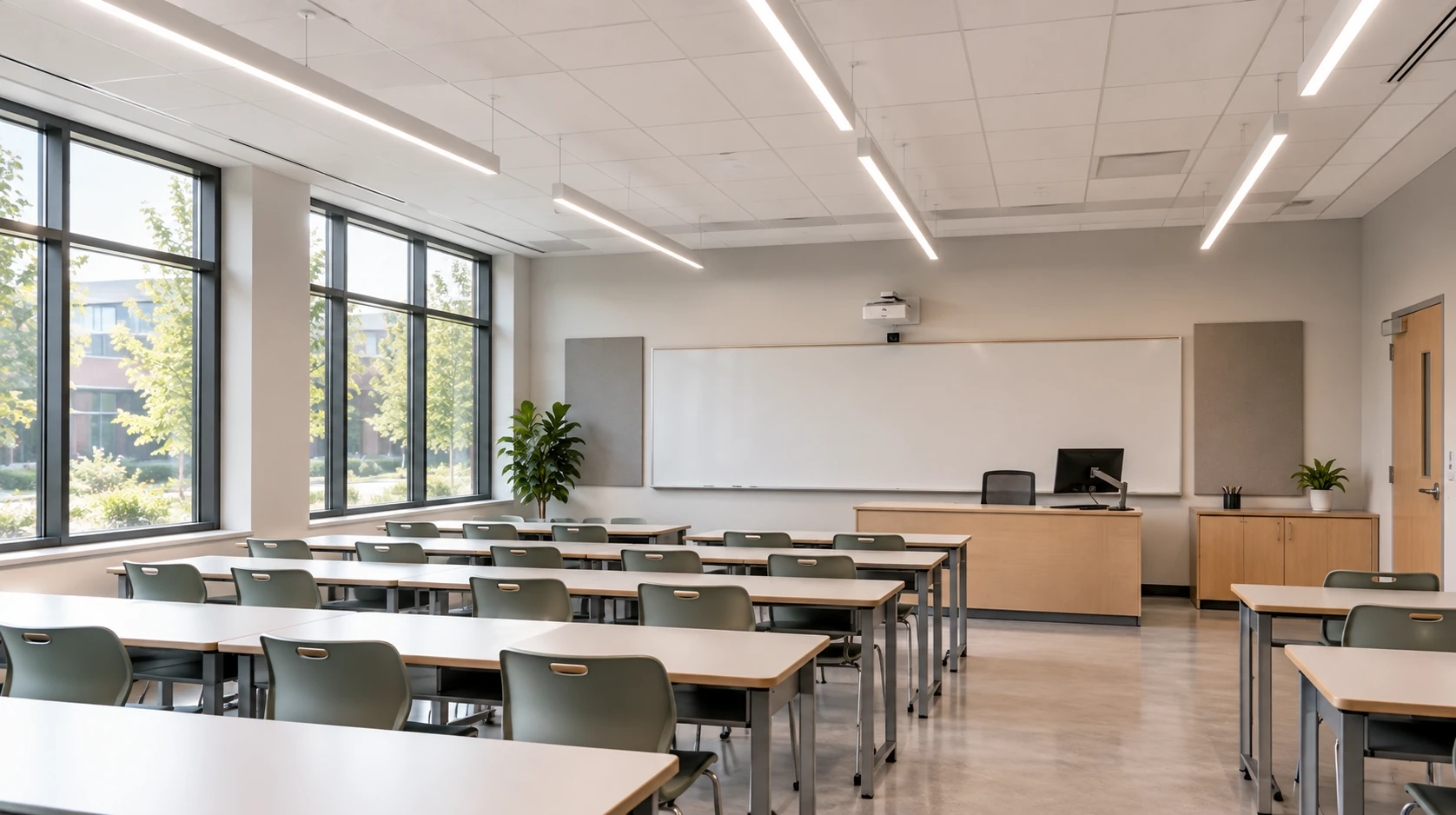
Education Facilities
Prioritizes visual comfort, durable construction, and compatibility with institutional control systems.
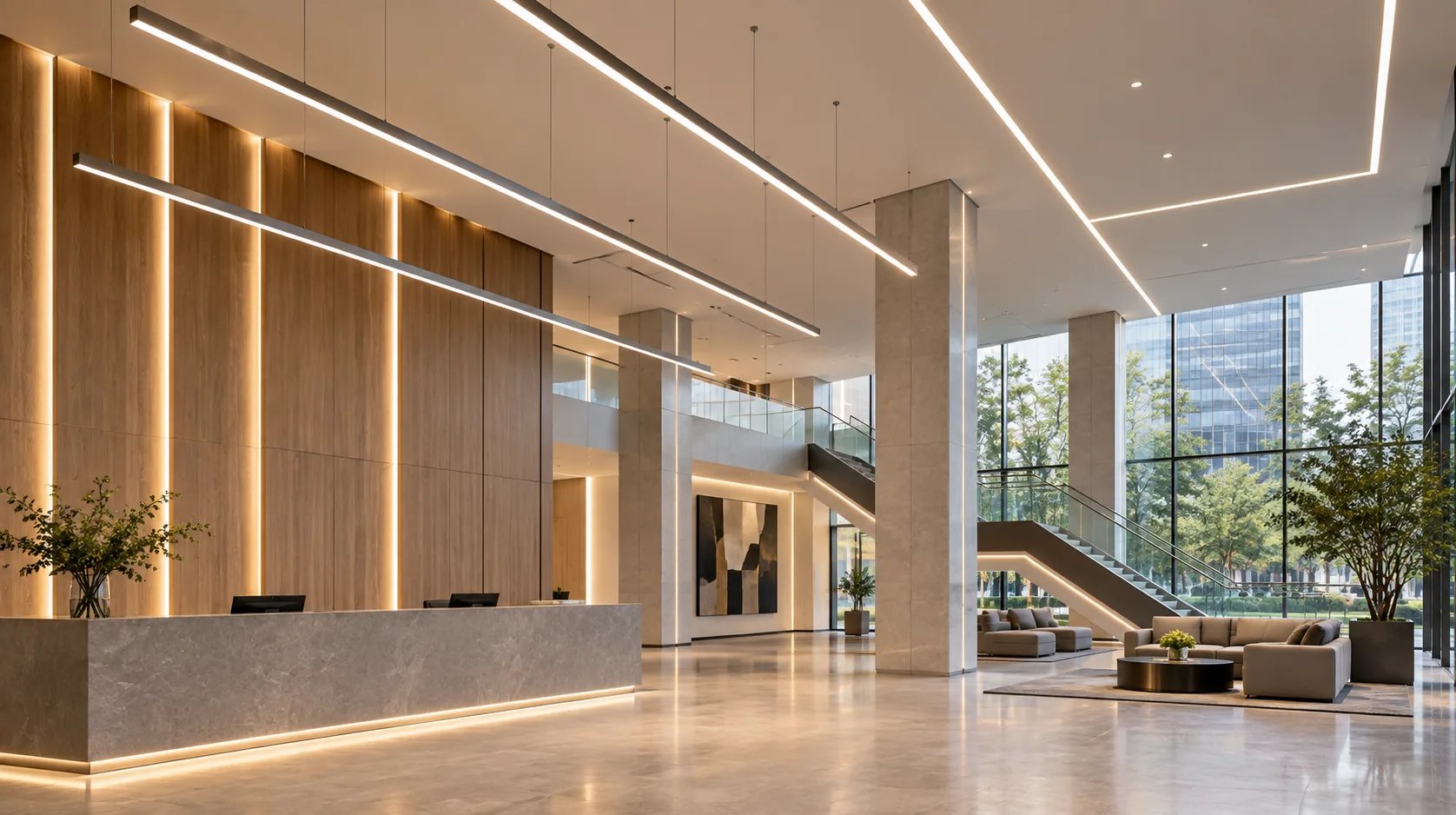
Commercial Public Spaces
Involves complex project layouts requiring flexible mounting options and suspension coordination.
LED Linear Development From Drawing to Production
LIBO’s structural and electronic engineering teams review the fixture around the target application, rather than treating the housing, optics, and driver as separate sourcing decisions.
Drawing & Structure Review: Evaluating fixture drawing, mounting dimensions, and connector positions.
Driver & LED Selection: Coordinating driver space, LED layout, and control requirements.
Prototype & Verification: Optical evaluation, installation tests, and dimming verification.
Production Transition: Sample approval leading to pilot production and mass production consistency.
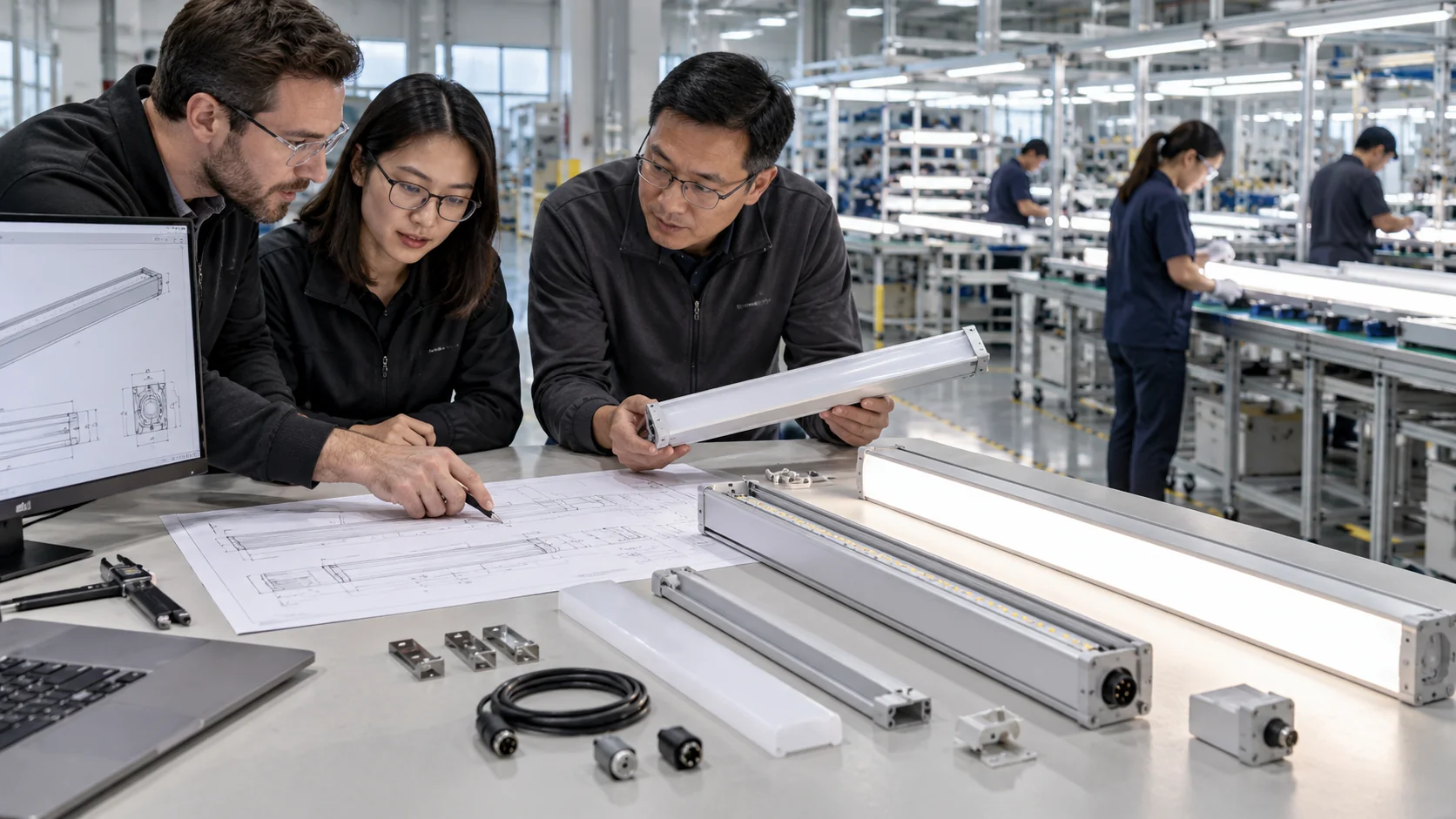
What We Check Before a Linear Fixture Moves to Production
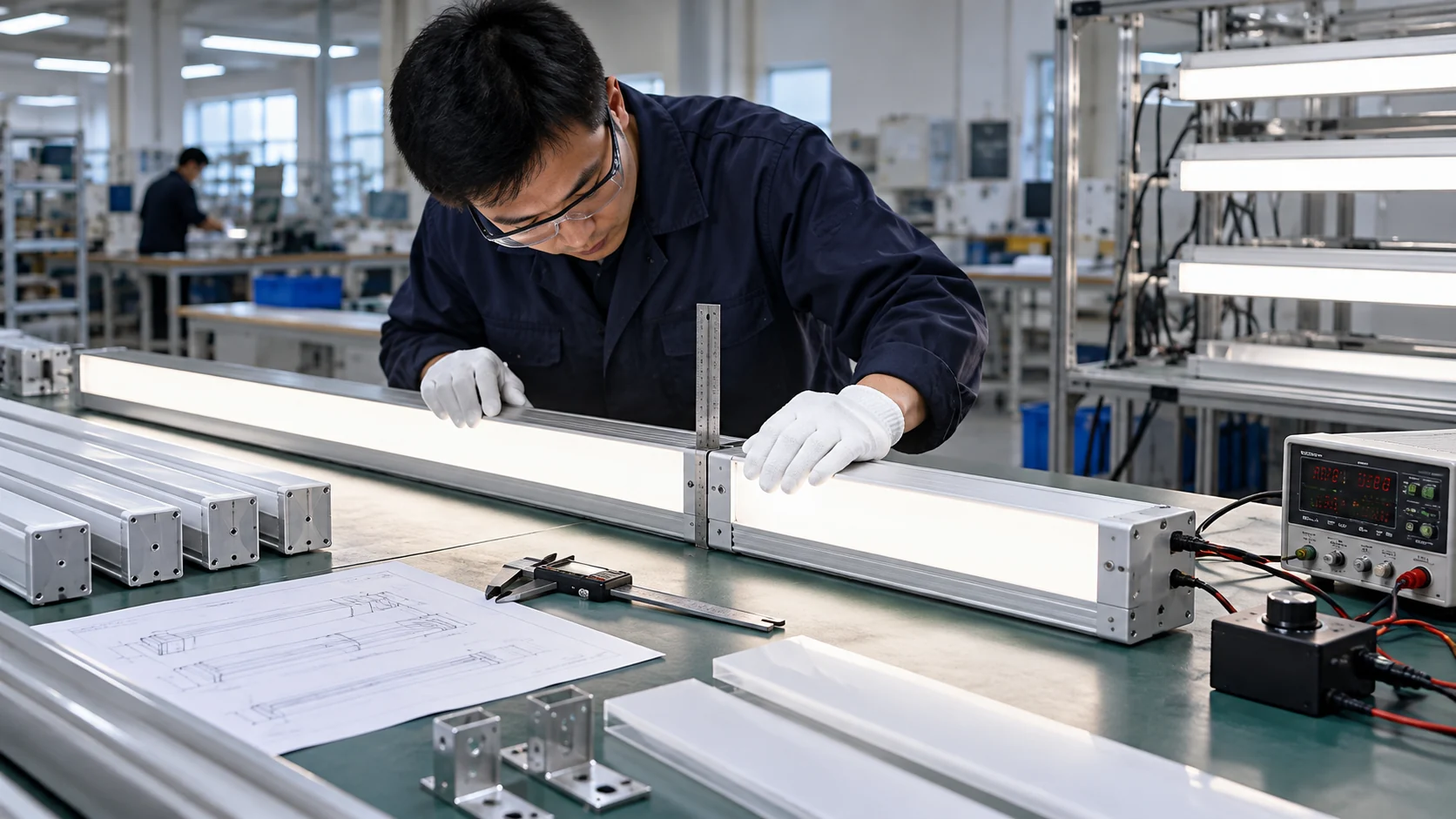
- Fixture dimensions and mechanical tolerances
- Mounting structure and joint alignment
- Electrical function and dimming behavior
- Optical appearance and diffuser consistency
- Temperature evaluation according to project requirements
Production Options for North American LED Linear Programs
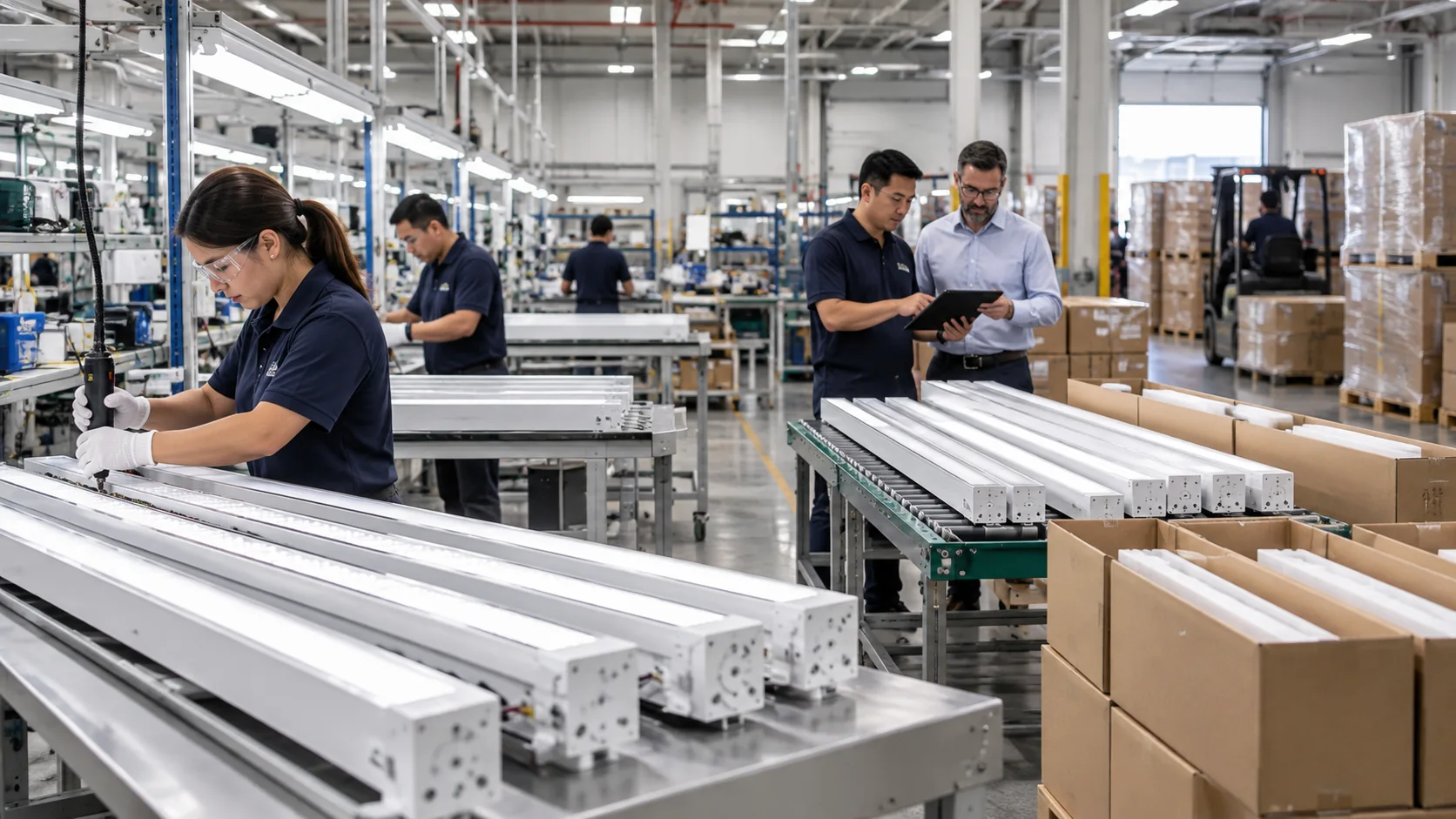
With manufacturing capabilities in China and Indonesia, production location is evaluated according to product readiness, order volume, sourcing requirements, and project needs.
MOQ and lead time are confirmed by model, finish, driver configuration, and packaging requirements (e.g., MOQ generally 500 pcs, though some programs can be 300 pcs; special combined orders may be discussed based on the project).
Documentation Buyers Can Verify
ETL
North American safety certification support available depending on selected model.
FCC
Applicable electronic compliance documentation depending on configuration.
ISO 9001
Verified manufacturing management and quality control system.
BSCI
Social compliance and factory audit evidence for reliable sourcing.
Need Drawings or Technical Files Before You Quote?
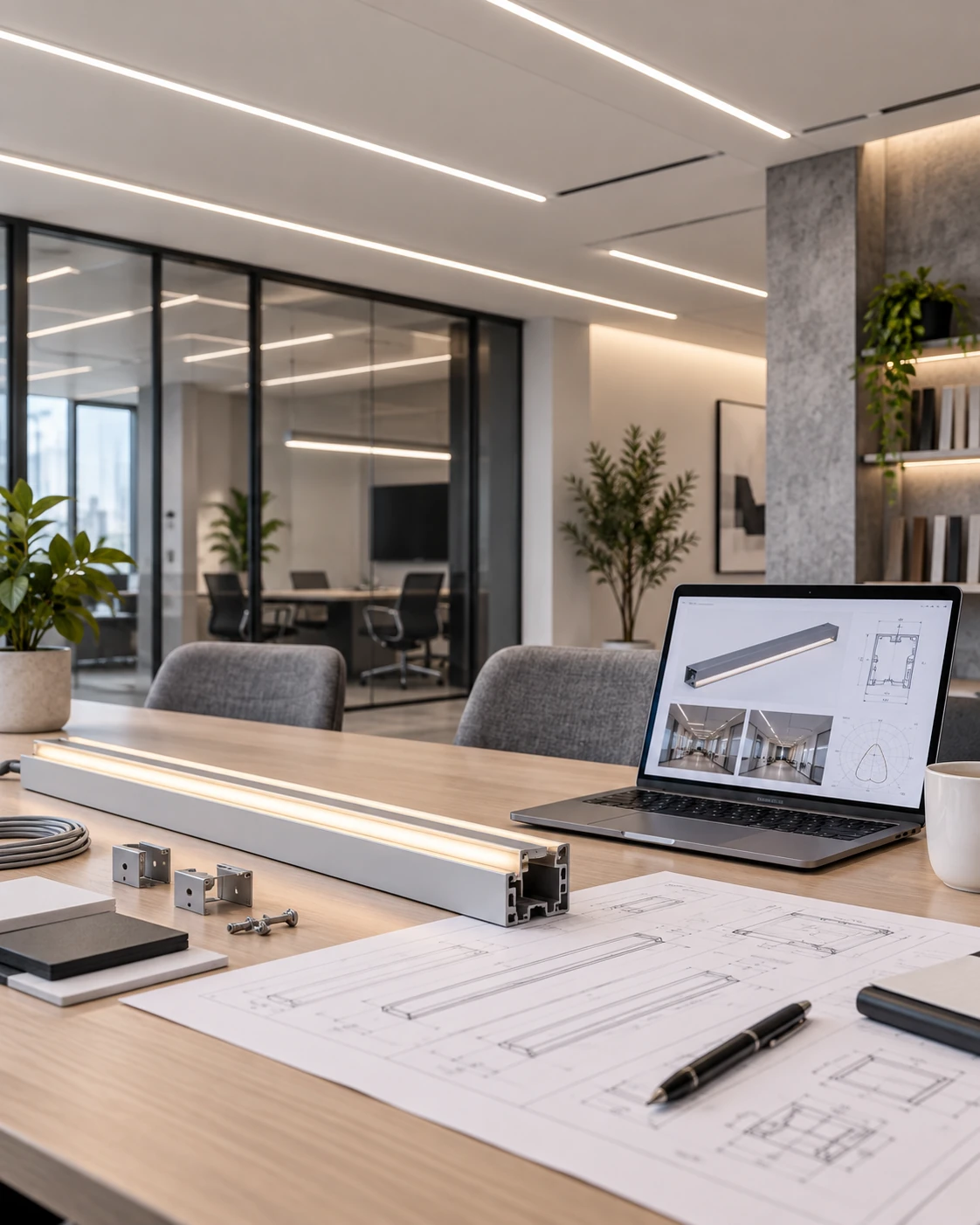
Ask us for available technical files for your selected model to support your engineering and specification process: Product specification, Product drawing, Installation instructions, Available photometric / IES data, Certification documents, Packing information, or Samples.
Engineering and Production Capabilities
Engineering Review Before Sampling
- • Structural + electronic review
- • Mounting requirements
- • Driver / optical coordination
Commercial Dimming Evaluation
- • 0–10V control requirement
- • Low-level dimming check
- • Sample compatibility verification
Production Planning
- • China manufacturing capability
- • Indonesia manufacturing capability
- • Location depending on program
North American Product Experience
- • ETL / FCC-related project experience
- • Commercial LED lighting development
- • Architectural layout understanding
Frequently Asked Questions
Clear answers regarding commercial LED linear specifications, installation, and OEM/ODM capabilities.
What is an LED linear light?
What is the difference between suspended, surface-mounted and recessed linear lighting?
Can LED linear fixtures be connected into continuous runs?
How do you reduce dark joints between linear fixtures?
What causes misalignment in continuous linear lighting runs?
Are LED linear lights suitable for office lighting?
Do commercial LED linear lights support 0–10V dimming?
What information should I send for an LED linear quotation?
Can you develop OEM / ODM LED linear fixtures?
What certifications are available for LED linear products?
Planning a Suspended, Surface or Recessed Linear Project?
Send us your continuous-run layout, mounting structure, dimming needs, target specification, or OEM drawing requirements.
Contact Email: arena@libolights.com | Phone: +8618826286509
Address: Room 1002, Building 4, Youchuang Intelligent Manufacturing Park, Foshan, China