
Smart Lighting for Connected
Residential & Commercial Projects
Engineered for B2B procurement, our smart lighting systems integrate stable wireless connectivity, smooth dimming performance, and reliable app control. Designed to streamline sample approval and ensure consistency in mass production for lighting importers, distributors, and project buyers.
Explore Our Smart Lighting Categories
Select from our core product lines, configurable for various project requirements and smart home ecosystems.
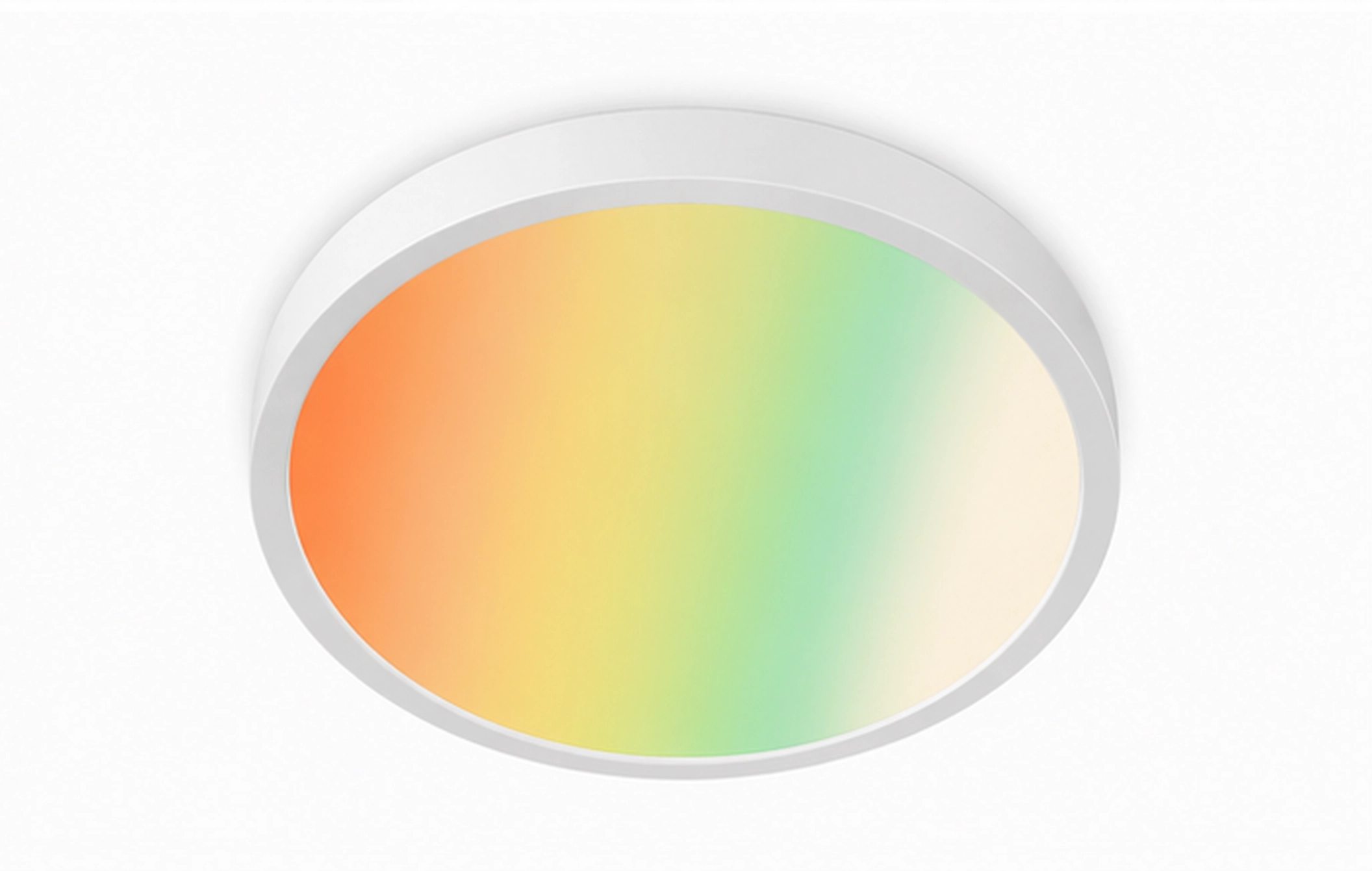
Smart Ceiling Lights
Ideal for apartments, bedrooms, and multi-family residential projects. Focuses on smooth dimming, CCT adjustment, and integrated scene control for living areas.
Explore our smart ceiling lights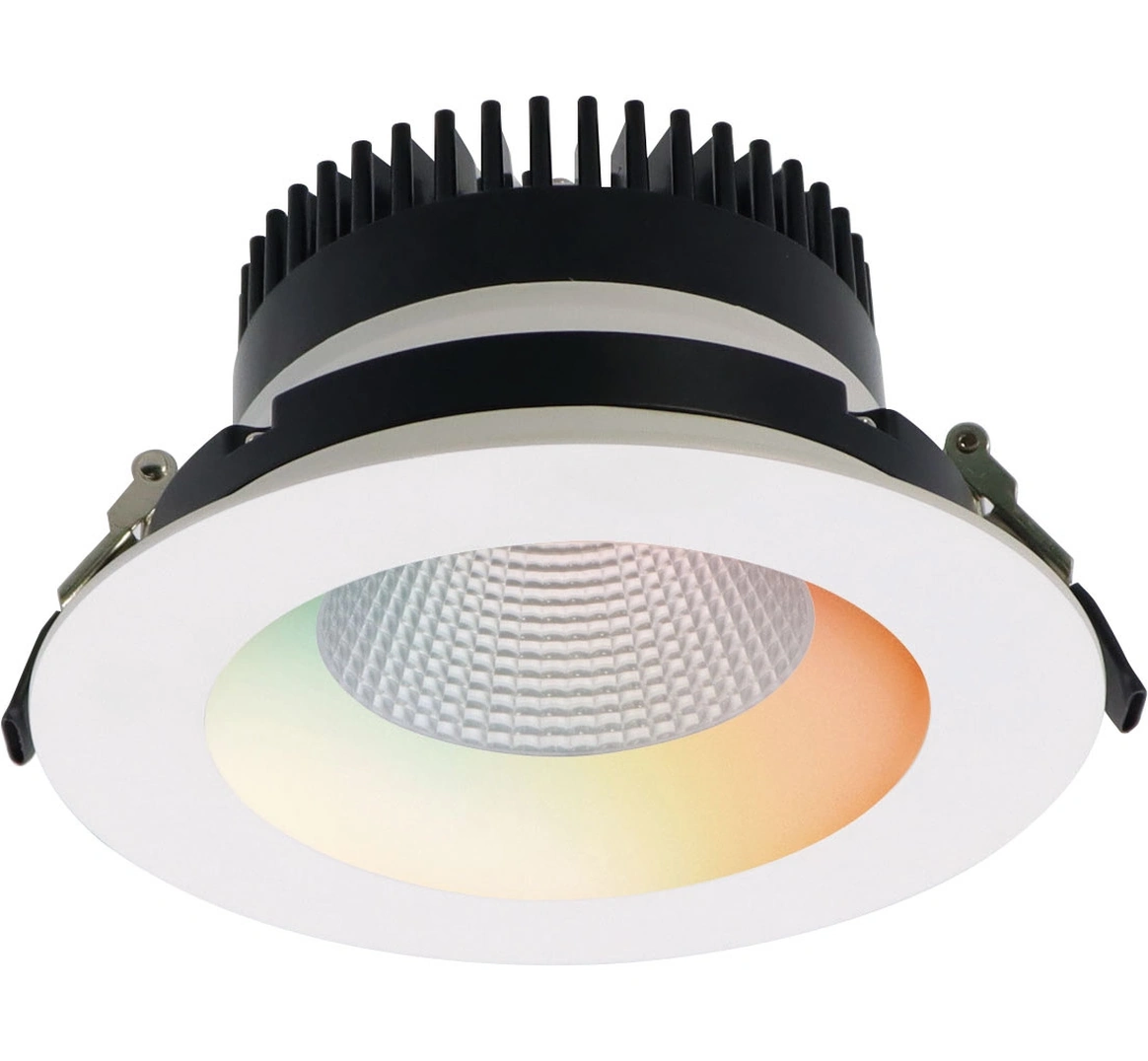
Smart Downlights
Engineered for residential ceiling layouts, renovation projects, and hospitality spaces. Provides reliable recessed integration with app-controlled grouping.
View smart downlight options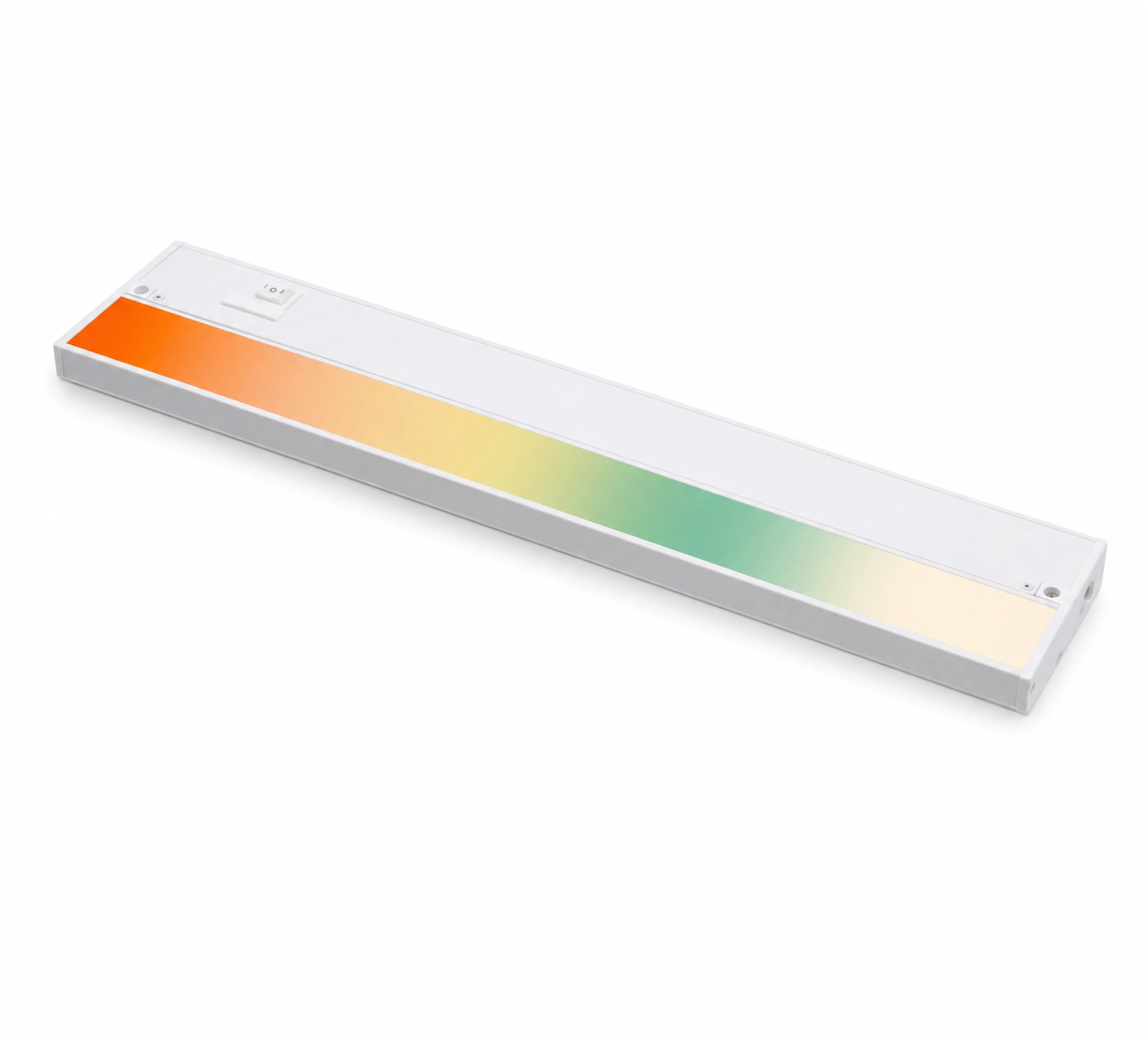
Smart Under Cabinet Lights
Designed for kitchens, cabinet systems, and residential millwork. Combines task lighting performance with smart scheduling and voice control compatibility.
Smart under cabinet lighting range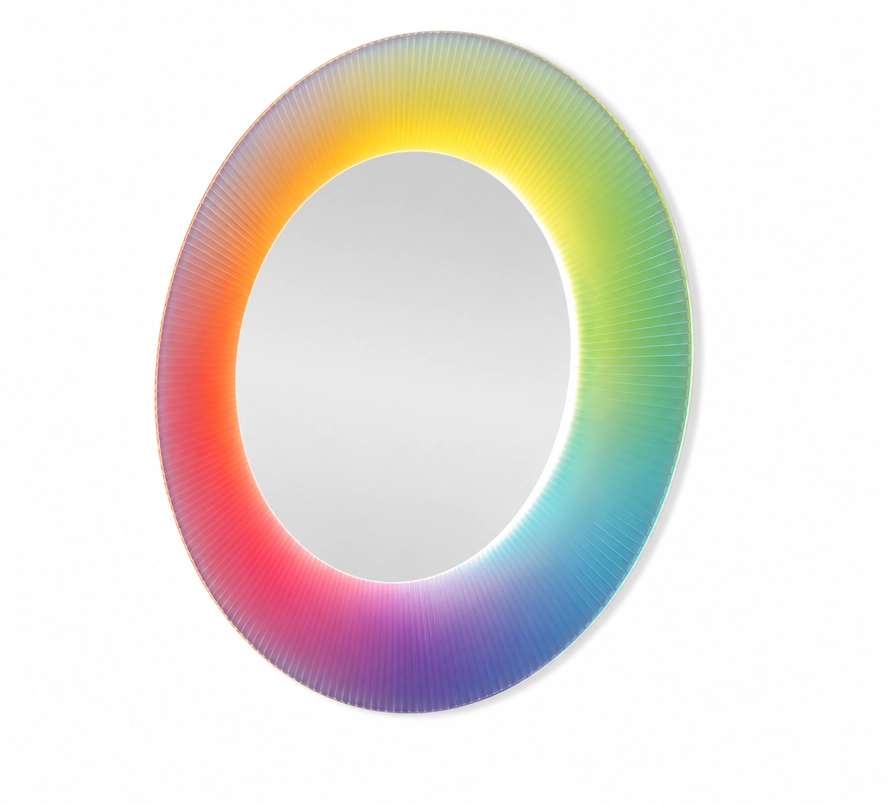
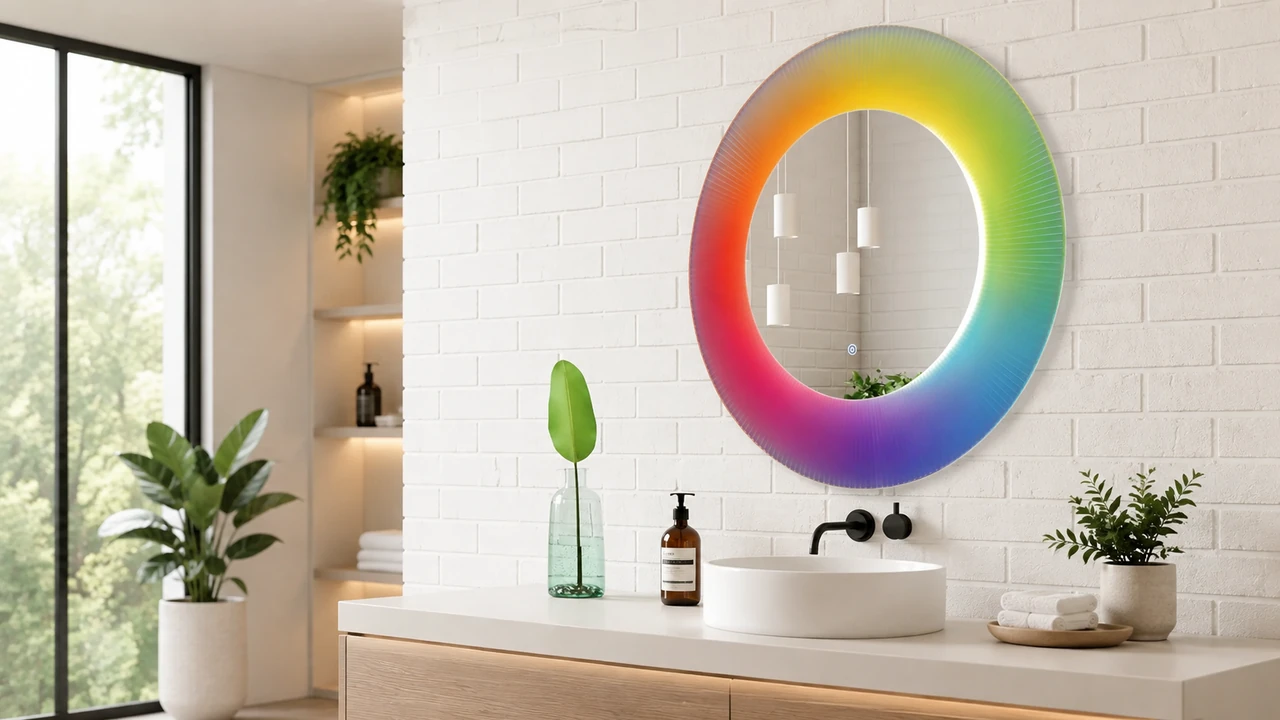
Smart Mirrors
Suitable for bathrooms, hotel projects, and vanity applications. Integrates lighting, touch control, defogger functions, and smart memory settings.
See our smart mirror designsWhy Smart Lighting Projects Face After-Sales Risks
Deploying smart lighting in commercial volumes requires more than just adding a Wi-Fi chip. Unresolved technical conflicts during development lead to common field issues.
Complex Pairing & Offline Devices
Frequent disconnections or complicated initial Wi-Fi setup increases installer costs and generates high customer service volume.
App Delay & Platform Conflict
Lagging response times or incompatible voice assistant integrations frustrate end-users in integrated smart home environments.
Low-Level Dimming Flicker
Mismatched LED drivers and smart control modules often cause visible flicker or sudden shut-offs at brightness levels below 10%.
Lost Settings After Power Off
When wall switches cut power, poorly configured fixtures reset brightness or CCT, forcing users to constantly reconfigure their lighting.
Easy Pairing & Stable Connectivity for Bulk Deployment
For residential projects, hotels, or large-scale multi-family developments, deploying hundreds of smart lighting SKUs presents a significant challenge. If every fixture requires repeated resets, complex pairing processes, or drops offline due to minor network changes, installer time and after-sales support costs multiply rapidly.
LIBO Lighting focuses on integrating stable wireless modules during the engineering phase. By optimizing the pairing logic and network retention behavior before mass production, we help reduce avoidable setup questions and ensure fixtures remain reliably connected to the local network.
Discuss Your Smart Control Requirement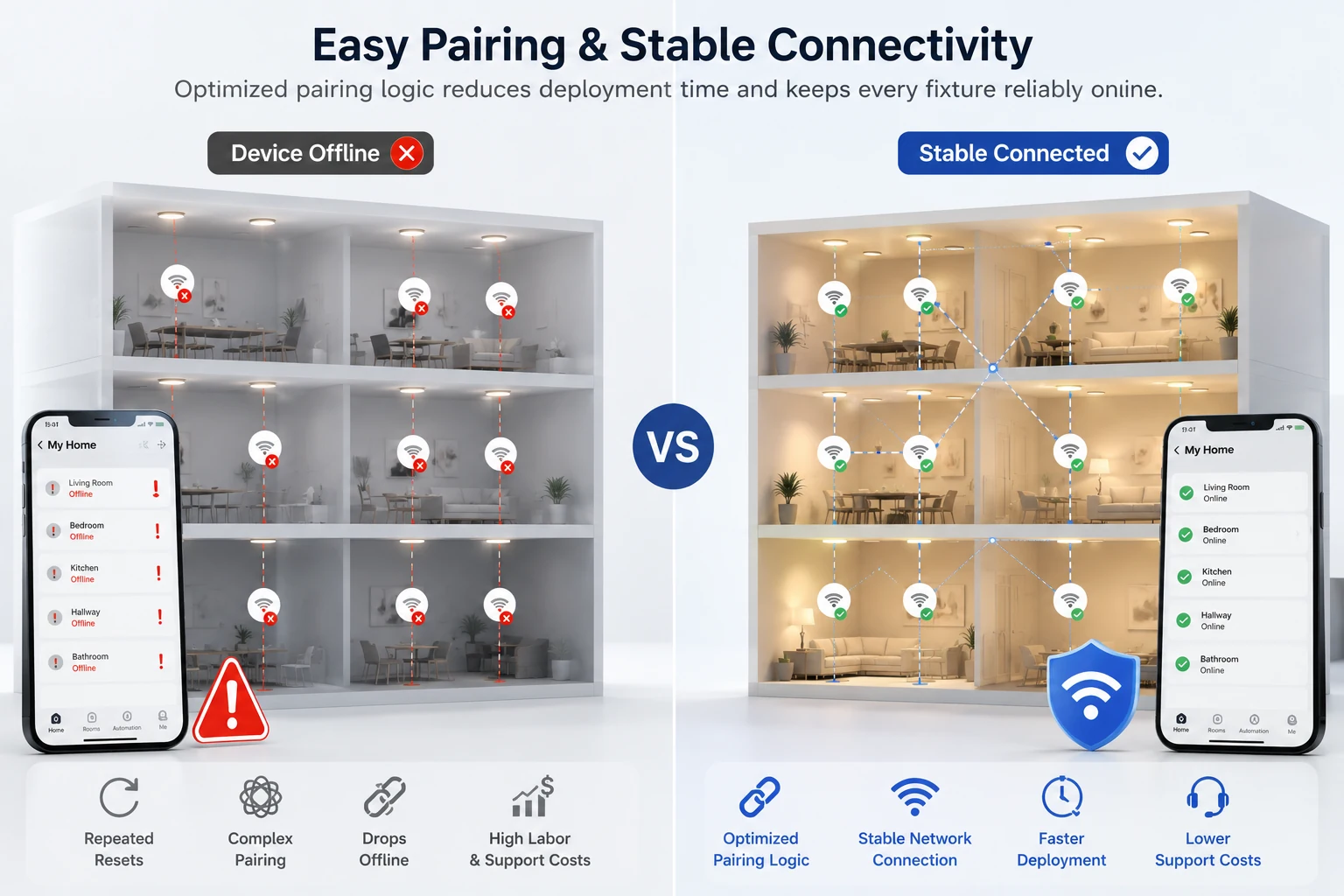
Optimized pairing logic reduces deployment time.
Reliable App Control & Ecosystem Compatibility
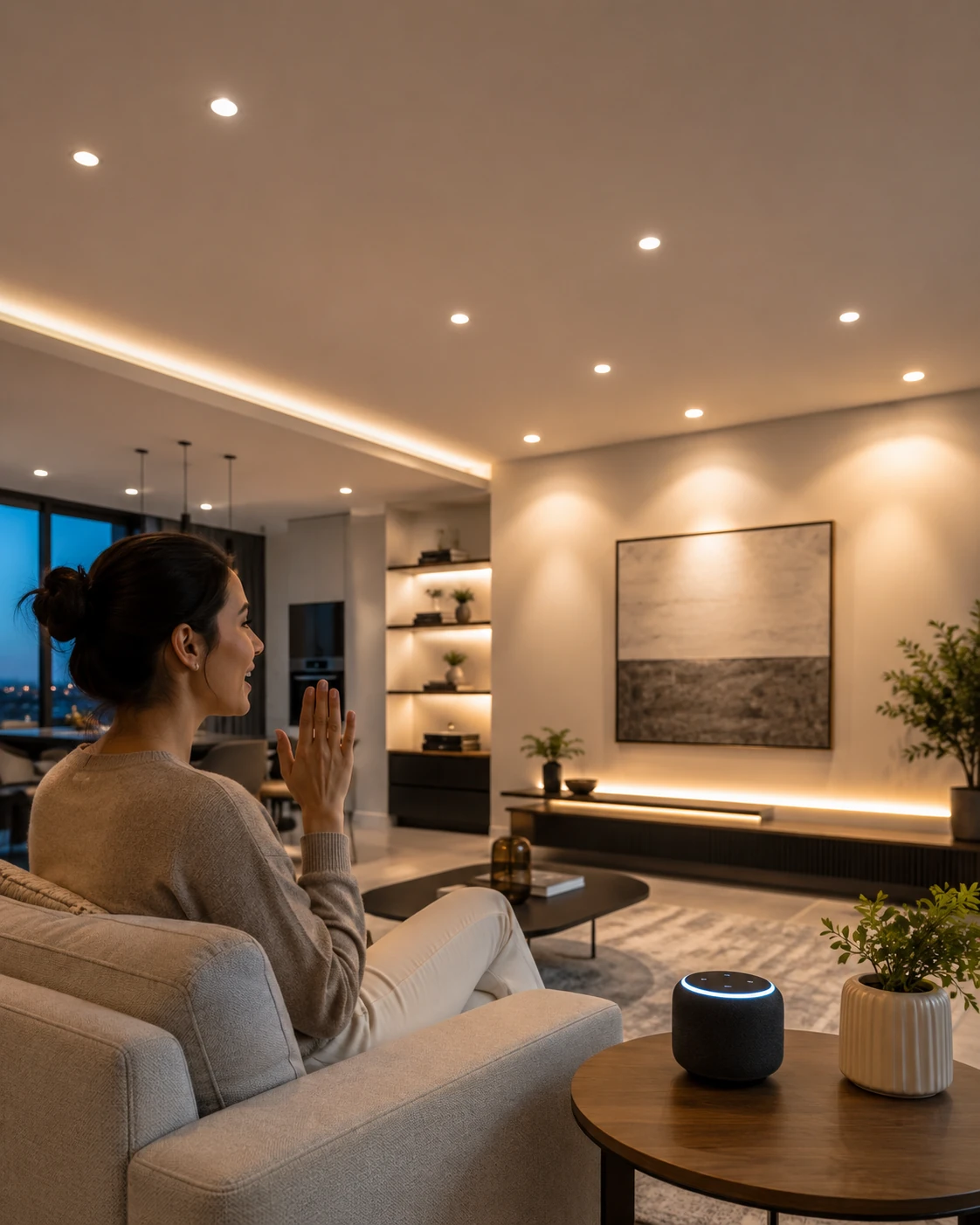
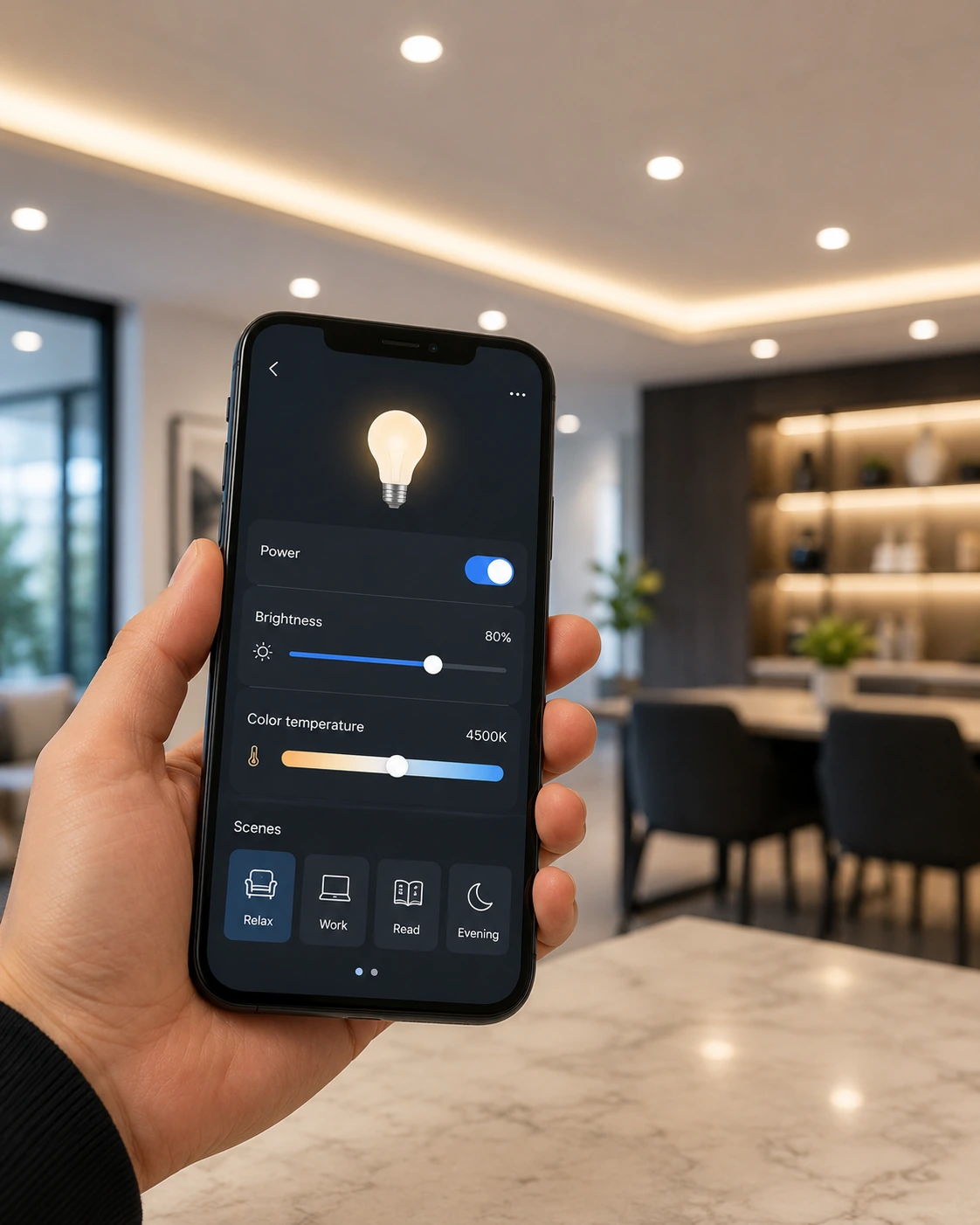
App delays and unresponsive voice assistants degrade the smart home experience. A smart ceiling light or downlight must respond instantly to app control, remote commands, schedules, and scene automation.
Compatibility options can be configured according to your specific project requirements. Rather than treating smart features as an afterthought, we confirm the platform, wireless protocol (such as Wi-Fi or Bluetooth options), and gateway requirements during the sample development stage. This proactive approach ensures seamless integration with target smart home ecosystems.
- App control & remote access configuration
- Voice assistant compatibility planning
- Timer, schedule, and scene automation logic
Smooth Dimming Starts With the Lighting Hardware
Smart lighting is still fundamentally an LED lighting system. App connectivity means nothing if the fixture flickers or jumps during scene transitions.
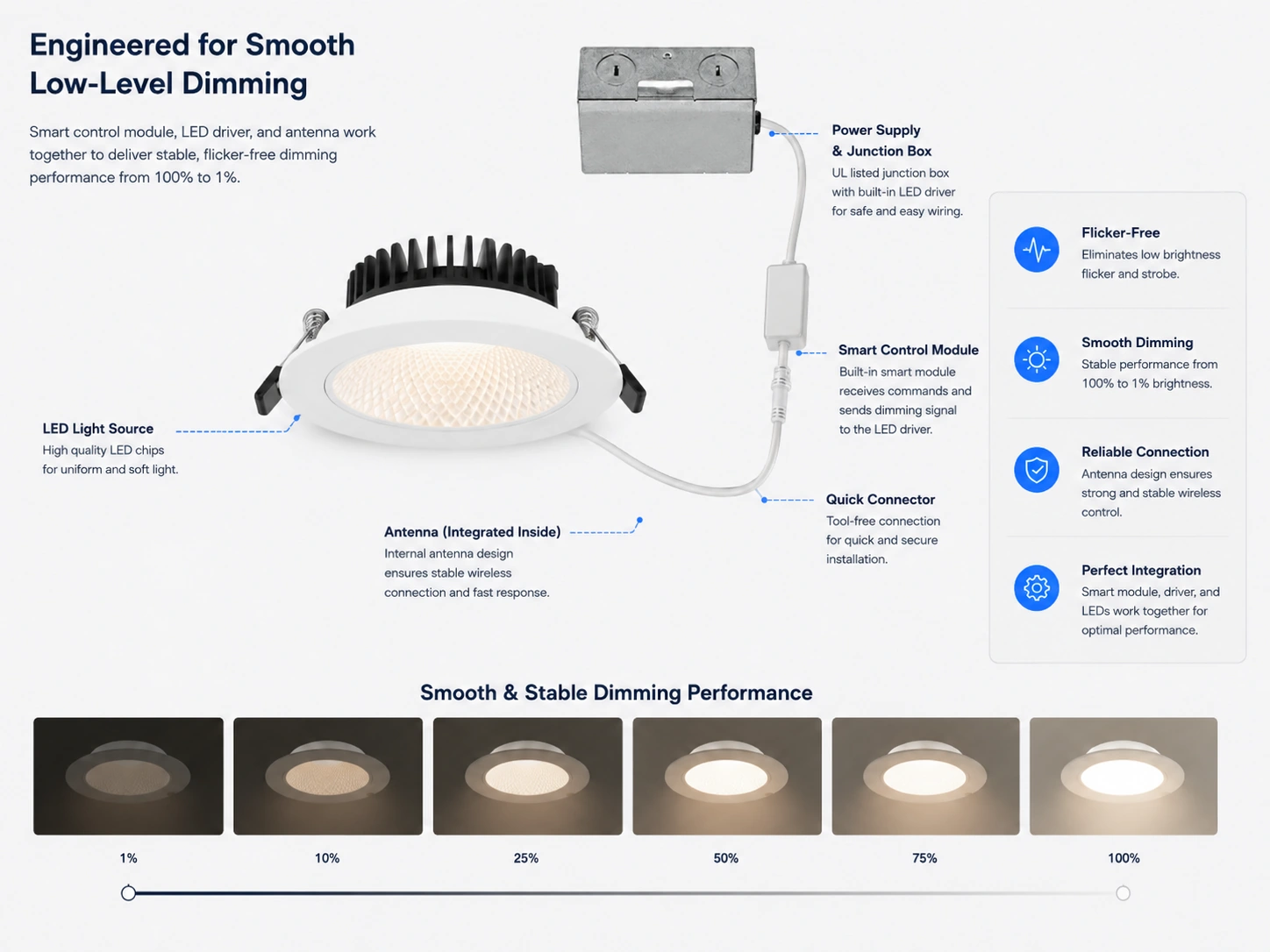
Eliminating Low-Level Dimming Issues
Real-world usage often exposes flaws like low brightness flicker, uneven dimming curves, or multiple fixtures responding at different speeds. These issues stem from poor matching between the smart control module, the LED driver, and the LED light source.
For our smart ceiling lights and downlights, we coordinate the electronic design to align the PWM dimming signal from the smart chip with the driver's output. This requires rigorous sample testing to ensure smooth CCT switching and stable performance at low dimming levels before mass production.
Engineering Focus:
Testing driver compatibility, thermal design, and control logic in the same development cycle to secure consistent lighting performance.
Power-Off Memory for Consistent User Experience
When a wall switch is turned off or during a power outage, basic smart lights often lose their settings, reverting to default brightness or unexpected color temperatures upon power restoration. This is highly disruptive in bedrooms, hotel rooms, and bathrooms.
Configuring a Last-State Memory or specific Power-Restore behavior ensures the fixture remembers its previous brightness, CCT, or on/off status. This small electronic detail significantly reduces user frustration and prevents unnecessary support calls.
Send Your SpecificationsBefore Power Off
Brightness: 40% | CCT: 3000K
Power Restored (Memory Active)
Brightness: 40% | CCT: 3000K
Smart Lighting Engineered by Application
Different environments demand specific installation structures and control logic. We align our fixture designs with your project requirements.
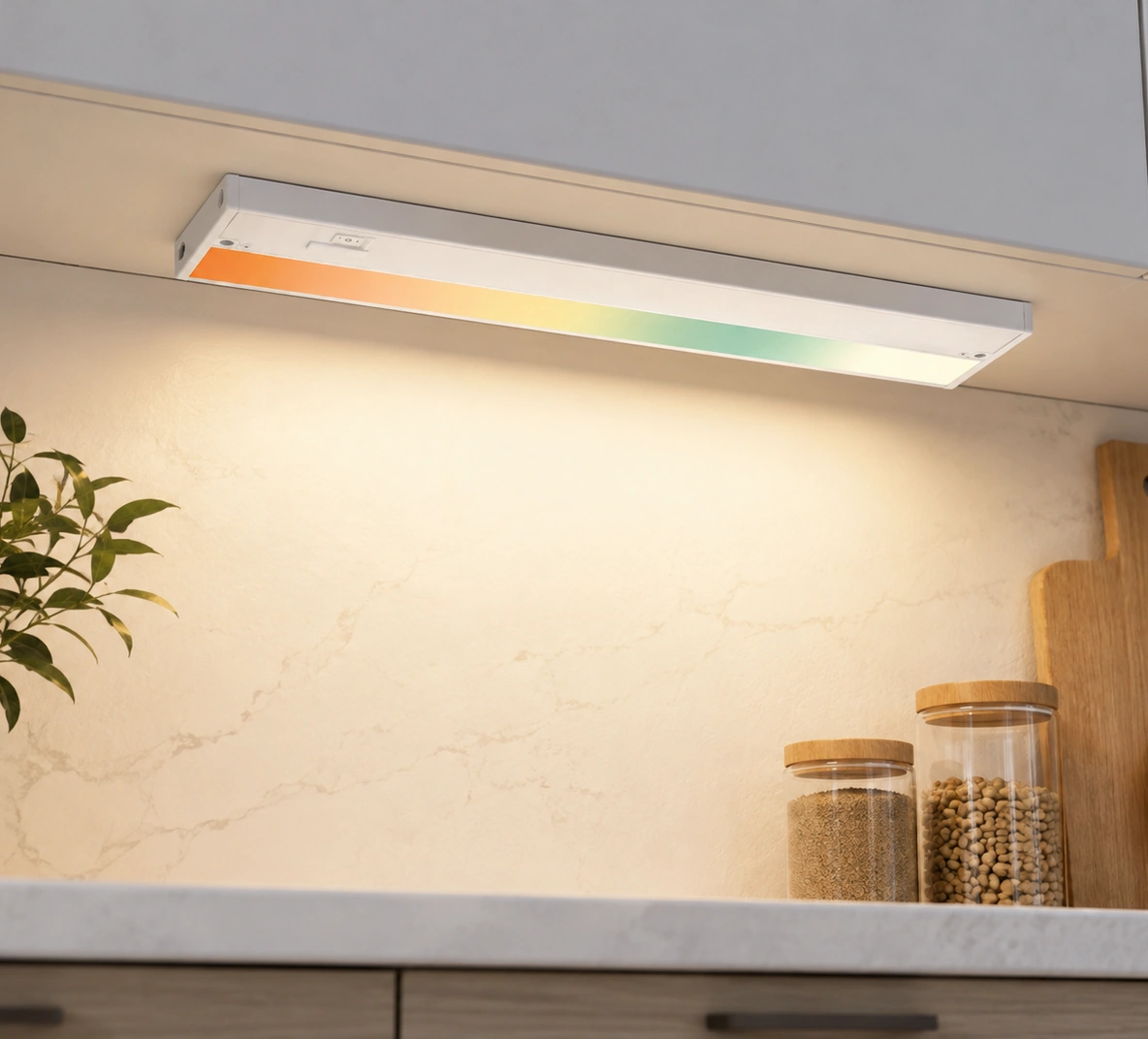
Kitchen & Cabinet
Task lighting that requires precise cabinet drawing alignment, hardwire/plug-in configuration, and touch or voice control.
Recommended: Smart Under Cabinet Lights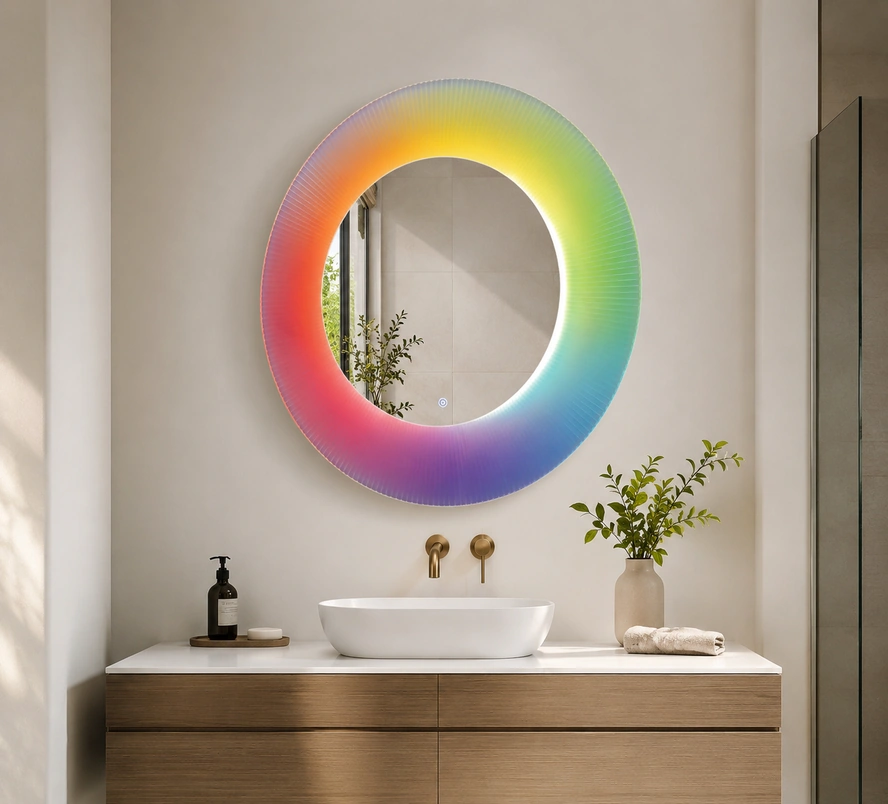
Bathrooms & Vanity
Moisture-resistant environments requiring wall mounting, integrated defogger functions, and reliable power-off memory.
Recommended: Smart Mirrors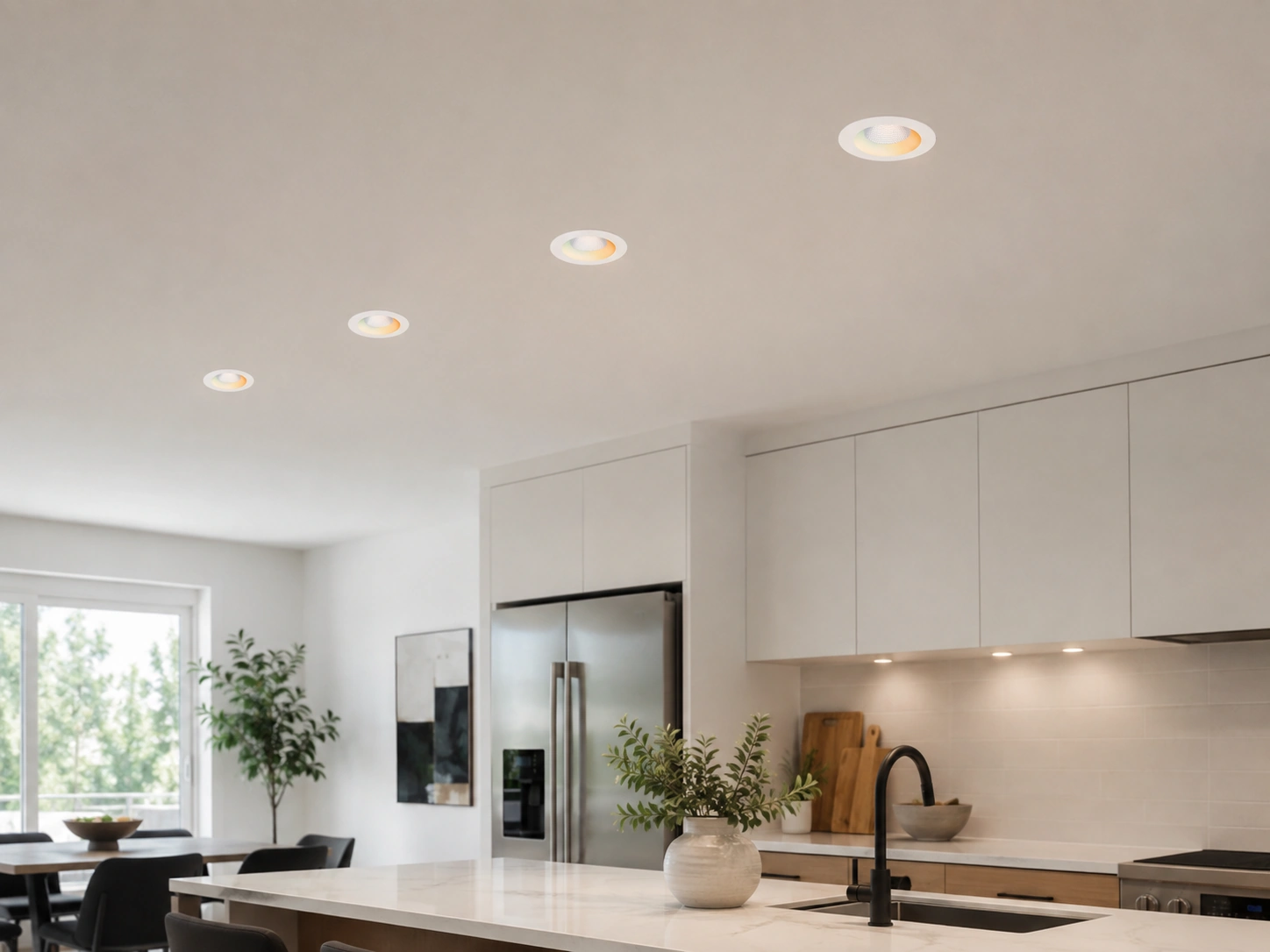
Apartments & Multi-Family
High-volume deployments needing standardized J-box compatibility, stable group pairing, and scene control.
Recommended: Smart Ceiling LightsTechnical Capabilities & Configurations
Features available depending on specific product configuration and project requirements.
Dimming & CCT
Adjustable brightness and color temperature.
Scene Control
Pre-set lighting environments via app.
Schedules & Timers
Automated on/off based on time.
Voice Control Options
Configurable for major platforms.
App Control
Remote management via smartphone.
Power-Off Memory
Retains last state after power cut.
Touch Control
Available on smart mirror series.
Wireless Protocol
Wi-Fi, Bluetooth, or Matter options.
How Smart Lighting Works
Smart lighting combines an LED lighting system with digital control, allowing supported fixtures to adjust brightness, CCT, scenes, or schedules through an app or compatible smart home platform.
1. Power Input
2. LED Driver & Module
3. Wireless Network
4. Lighting Output
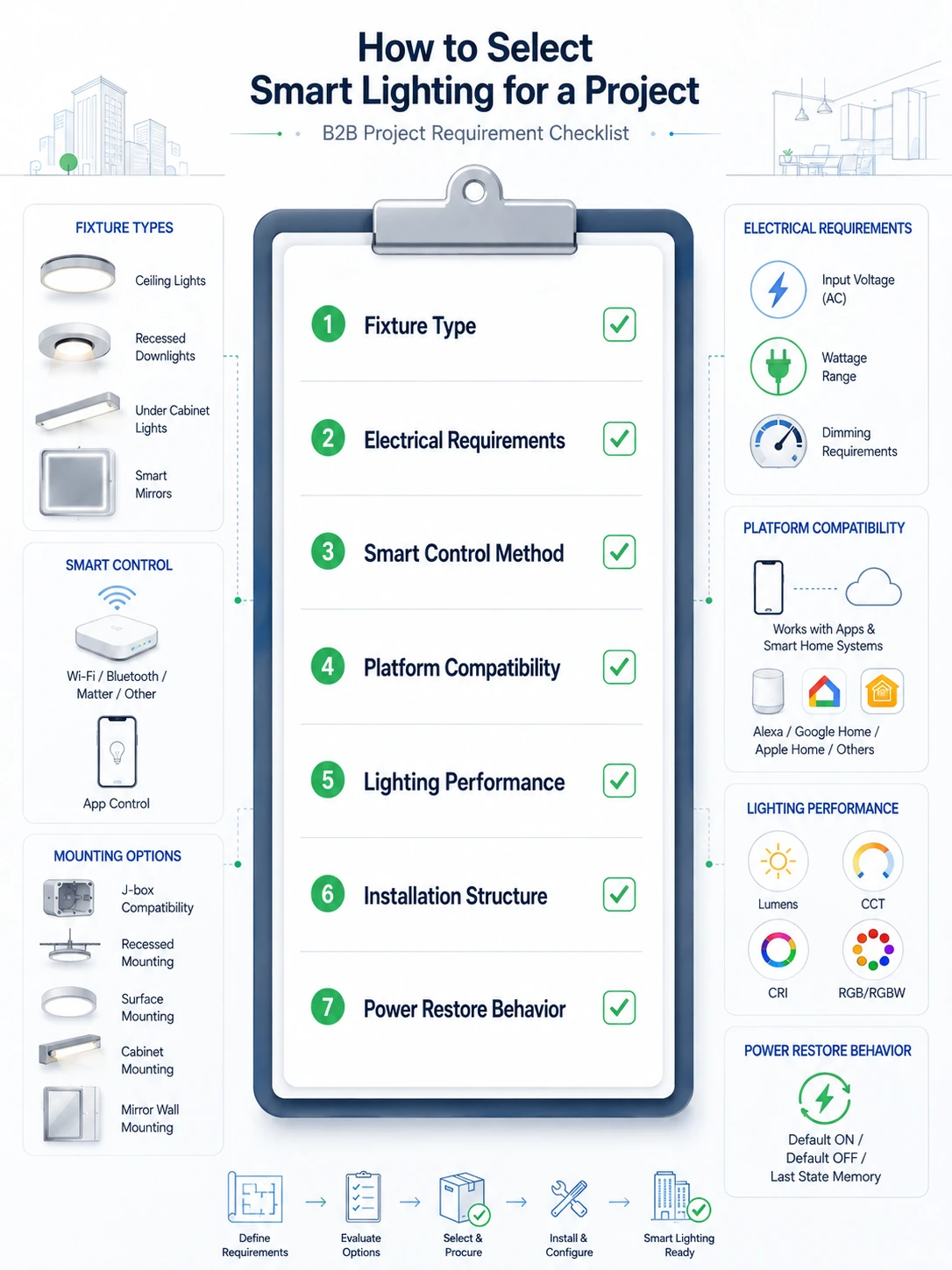
How to Select Smart Lighting for a Project
A B2B smart lighting procurement process requires defining technical specifications before sample development to ensure seamless installation and platform compatibility.
1. Fixture Type
Determine if the project needs ceiling lights, downlights, under cabinet lights, or smart mirrors.
2. Electrical Requirements
Confirm input voltage, wattage, and specific dimming range requirements.
3. Smart Control Method
Select the wireless protocol: Wi-Fi, Bluetooth, Matter, or other standard protocols based on the site network.
4. Platform Compatibility
Define if the system must interface with specific apps, Alexa, Google Home, Apple Home, or proprietary smart home systems.
5. Lighting Performance
Specify Lumens, CCT range, CRI, and whether RGB/RGBW capabilities are needed.
6. Installation Structure
Identify mounting methods: J-box compatibility, recessed mounting, surface mounting, cabinet mounting, or mirror wall mounting.
7. Power Restore Behavior
Choose between Default ON, Default OFF, or Last State Memory upon power restoration.
Smart Lighting Engineering & Sample Approval
Before mass production, smart lighting projects require strict confirmation of electrical configuration, control logic, and app pairing behavior. We coordinate fixture structure with electronic integration.
Project Requirements
Review specifications, dimensions, and protocol.
Engineering Review
Assess driver compatibility and LED integration.
Prototype / Sample
Develop physical sample with smart module.
Functional Testing
Test pairing, dimming, and power-off memory.
Sample Approval
Lock configurations for mass production stability.
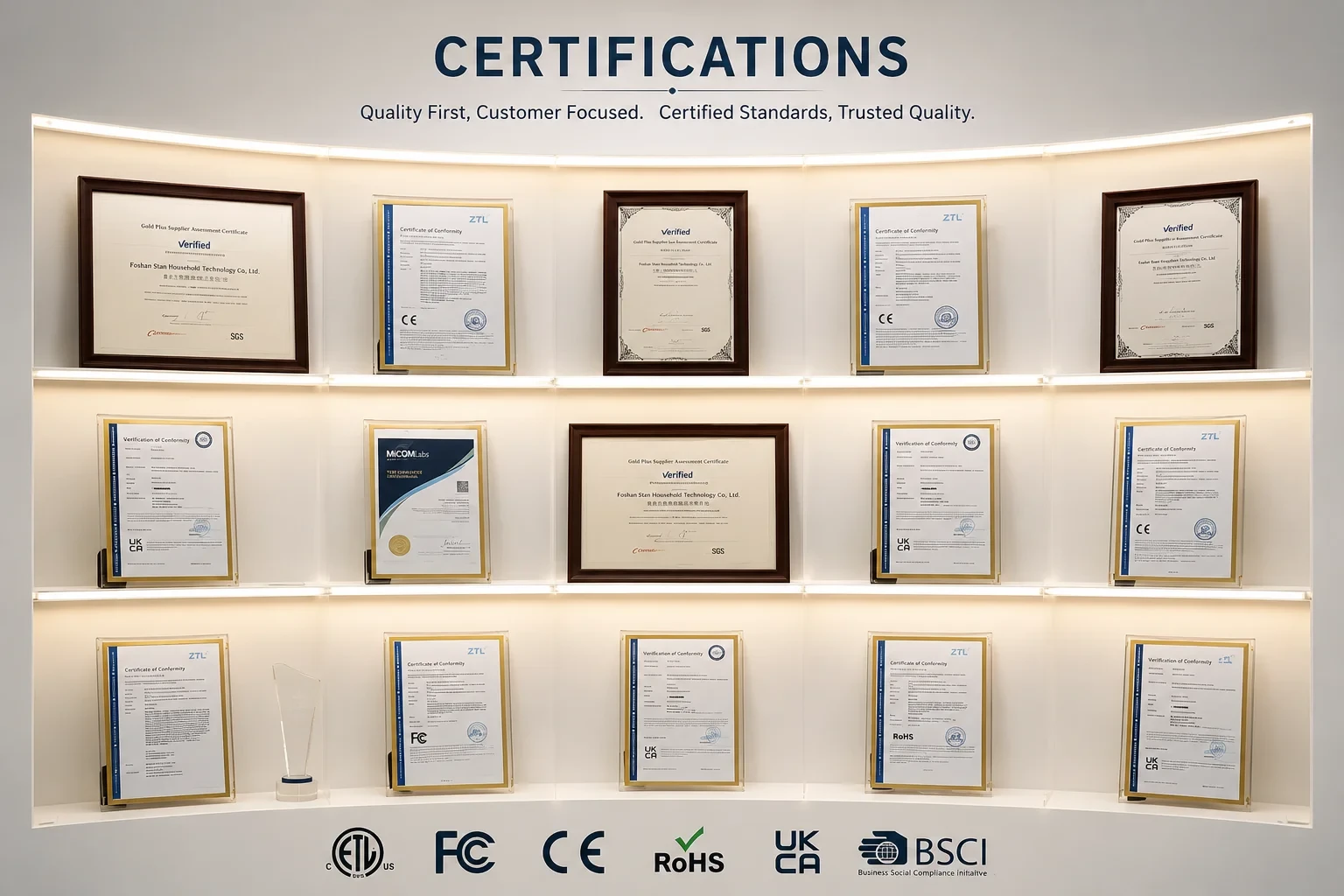
Testing & Compliance for Target Markets
Navigating compliance is critical for smart lighting projects. ETL and FCC options are available depending on product and project configuration, supporting your entry into the North American market.
ETL
Electrical safety compliance planning for North American lighting products.
FCC
Relevant for electronic and wireless-control product compliance in the U.S. market.
ISO
Manufacturing management and documented production processes.
BSCI
Factory social compliance information for retailer and sourcing qualification.
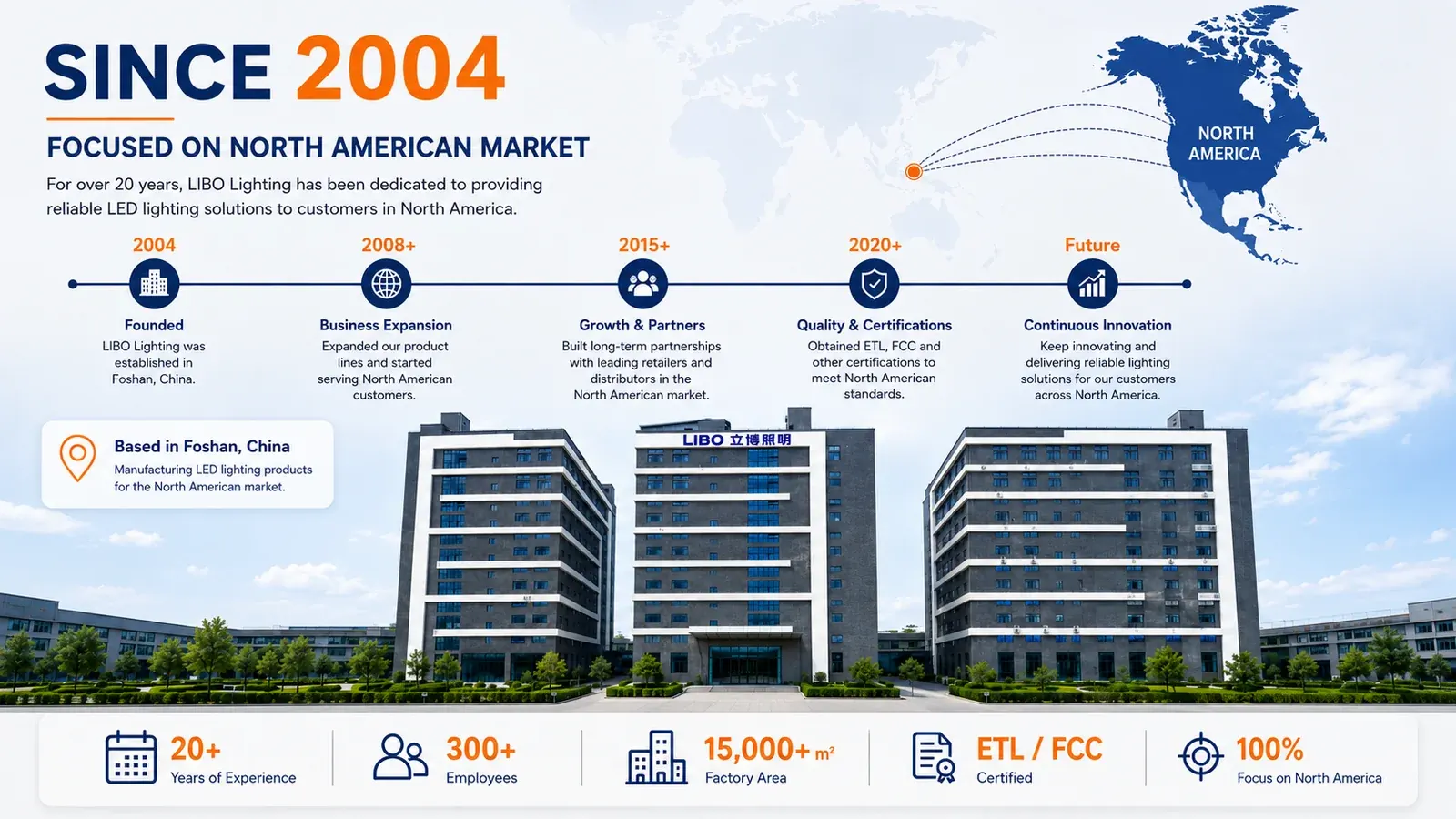
20 Years of Lighting Manufacturing Excellence
LIBO Lighting coordinates fixture structure, LED modules, and smart electronic control within a unified product development workflow.
-
Scale & Capacity
Founded in 2004, operating an approximately 15,000 m² facility with around 300 employees.
-
Engineering Teams
Dedicated structural engineering and electronic engineering teams for seamless OEM/ODM sample development.
-
Quality Control
Rigorous processes including PCB integration checks, aging testing, and functional testing prior to packing.
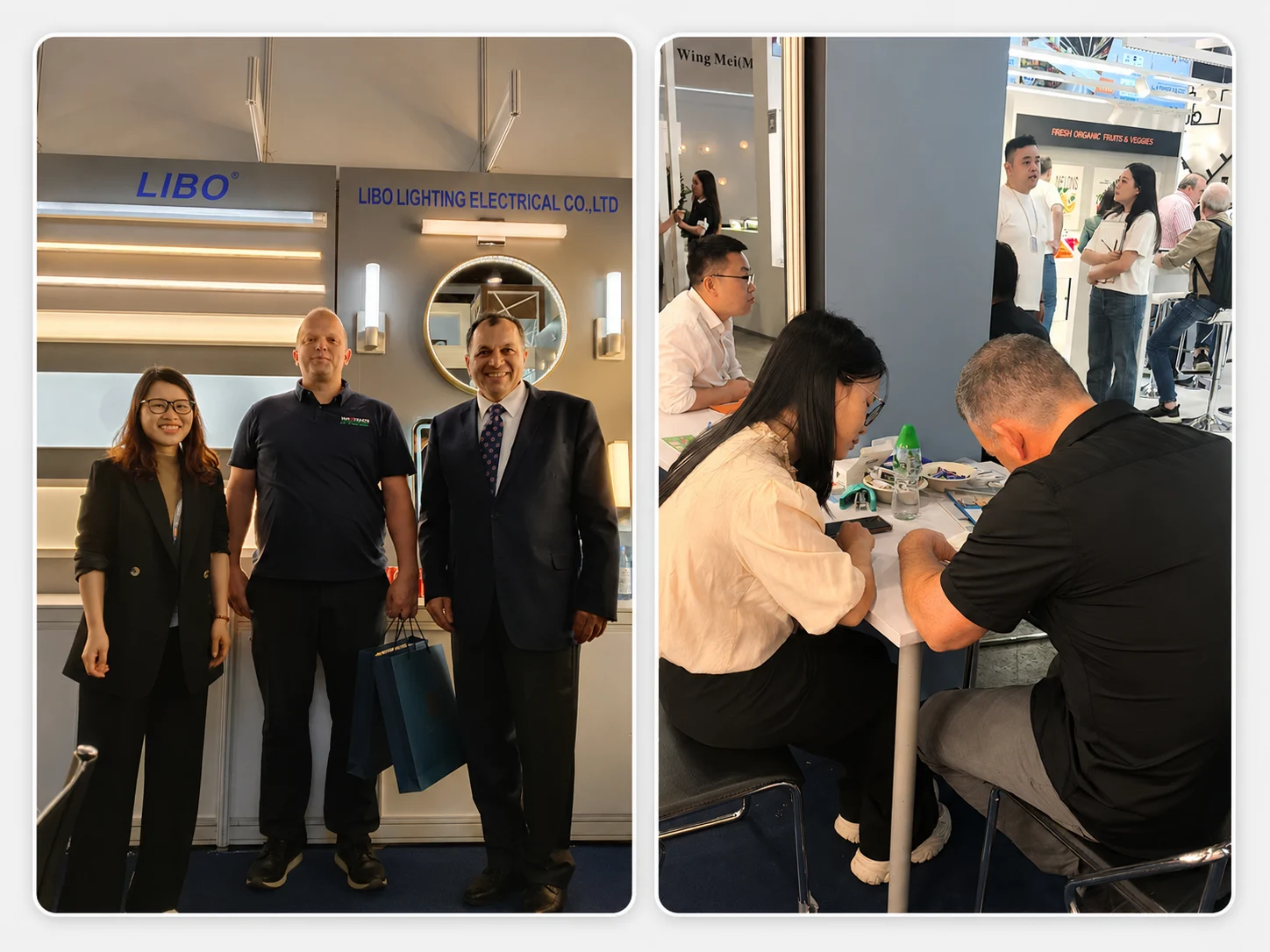
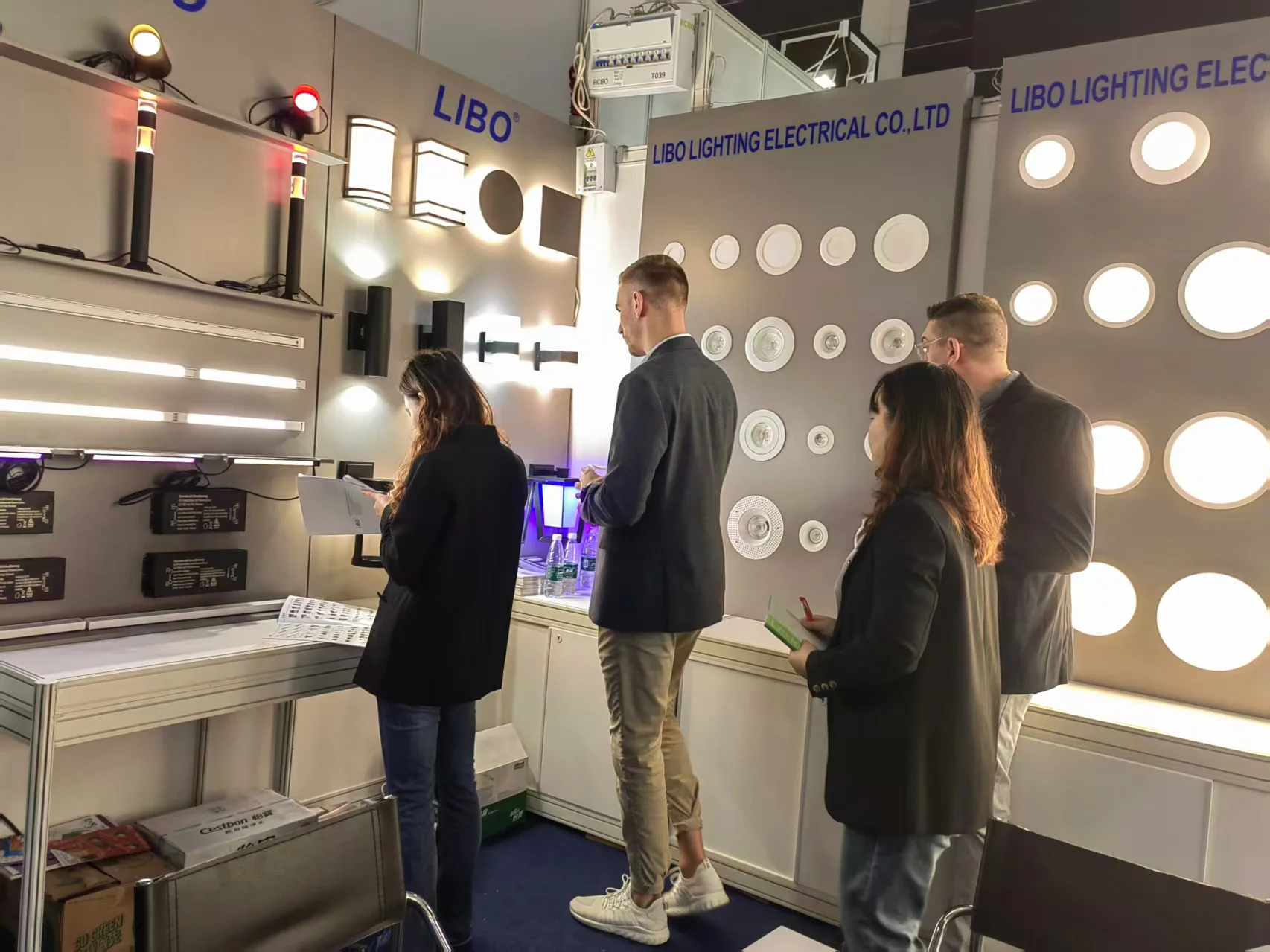
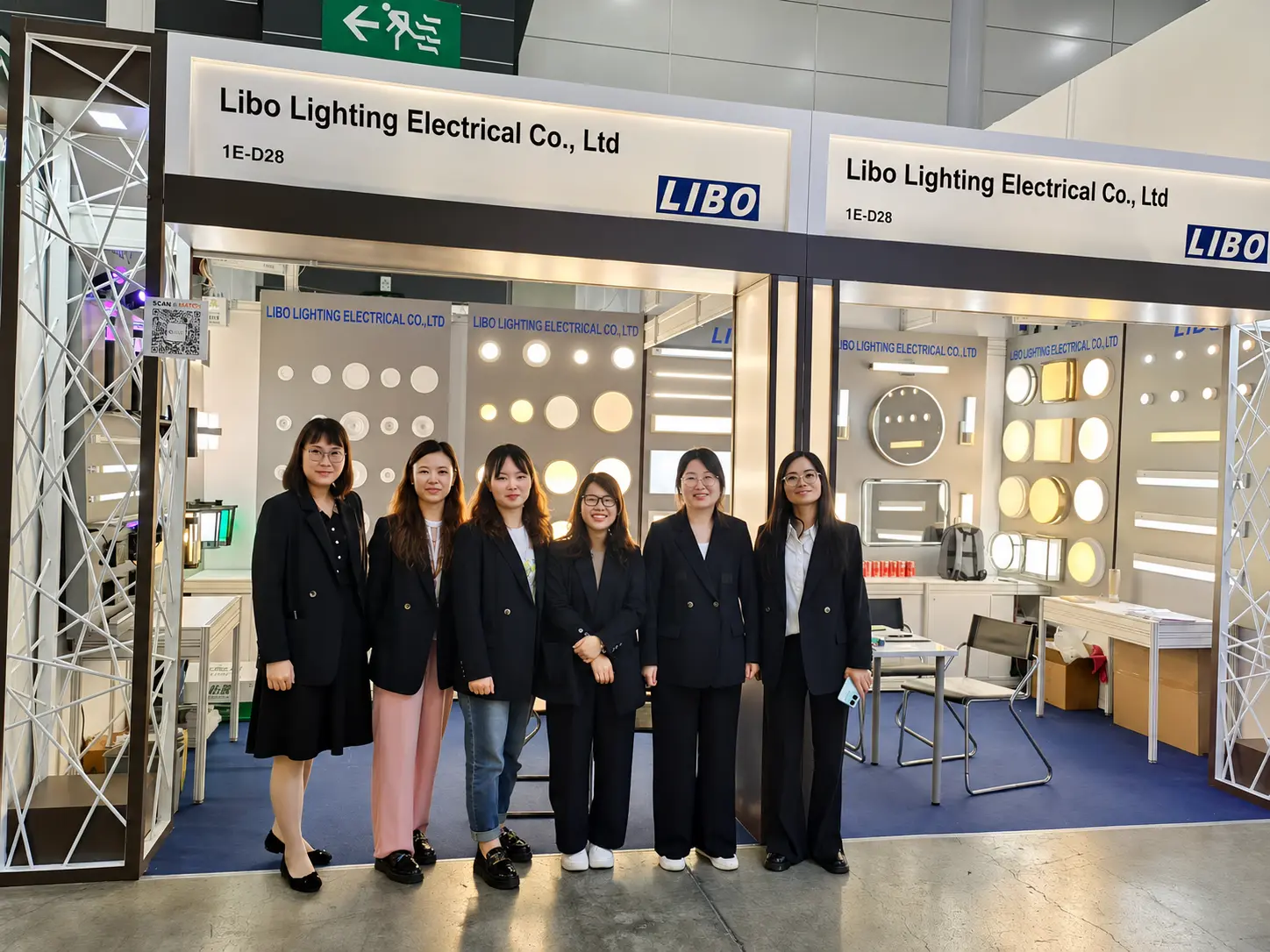
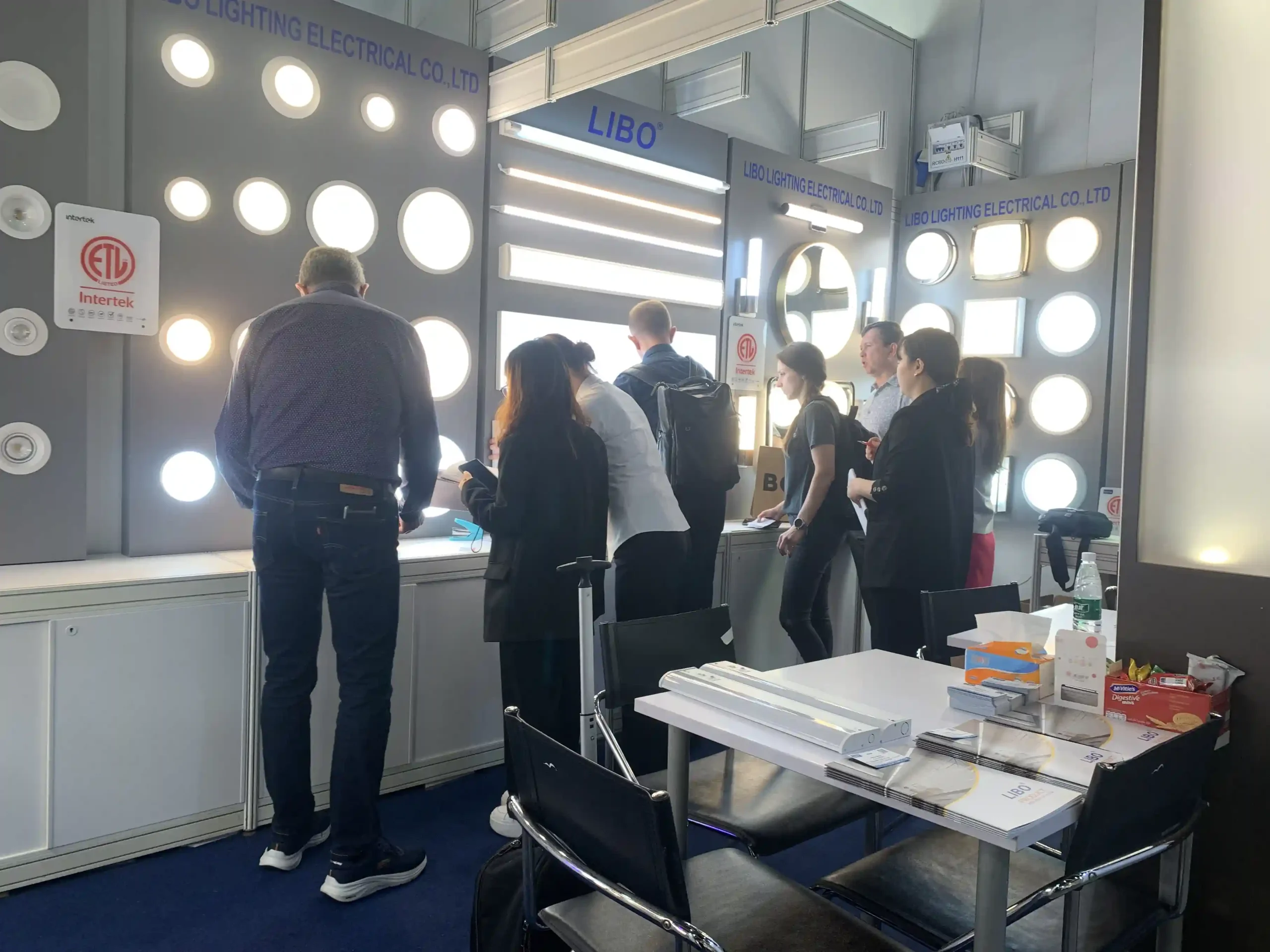
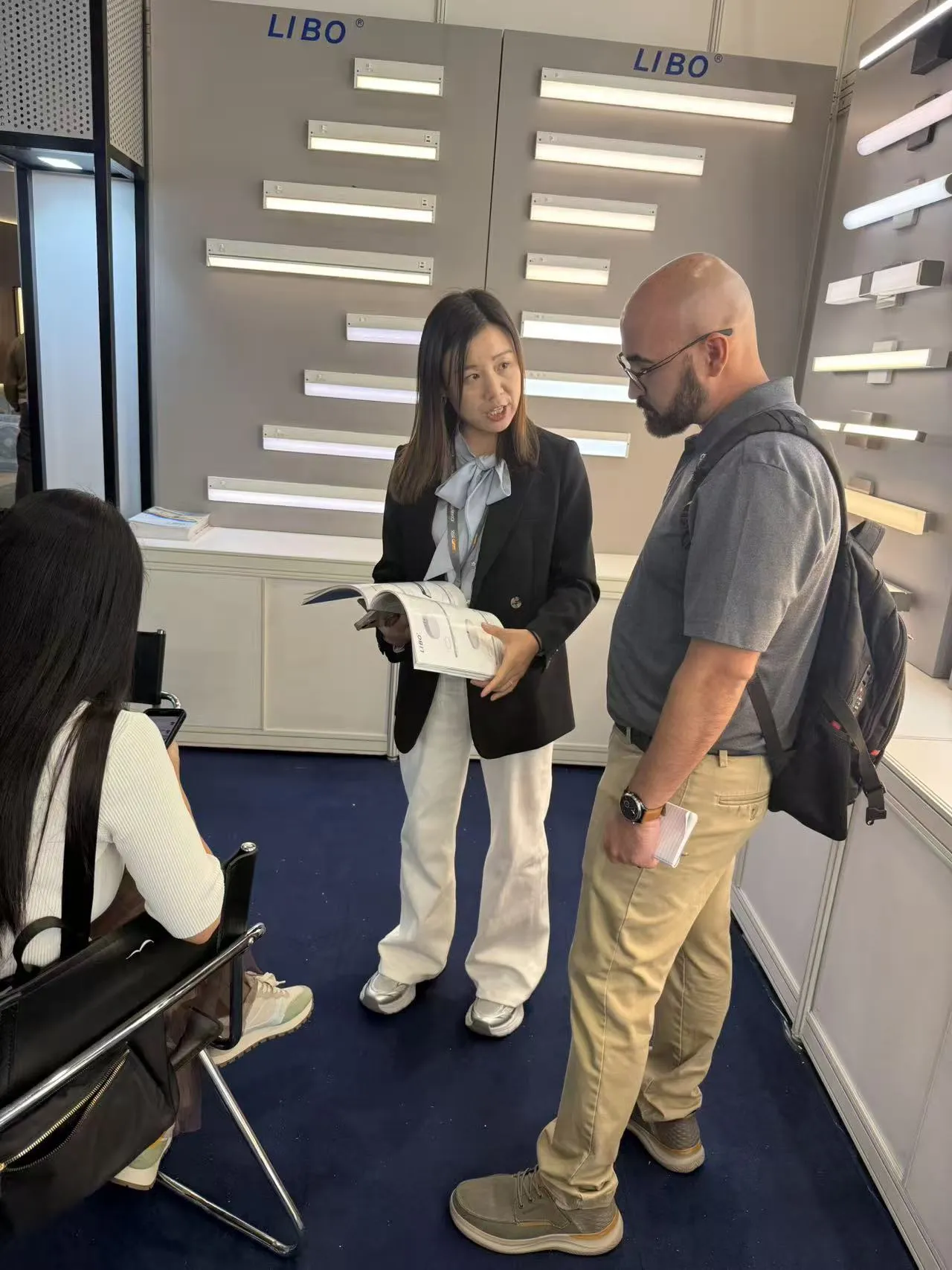
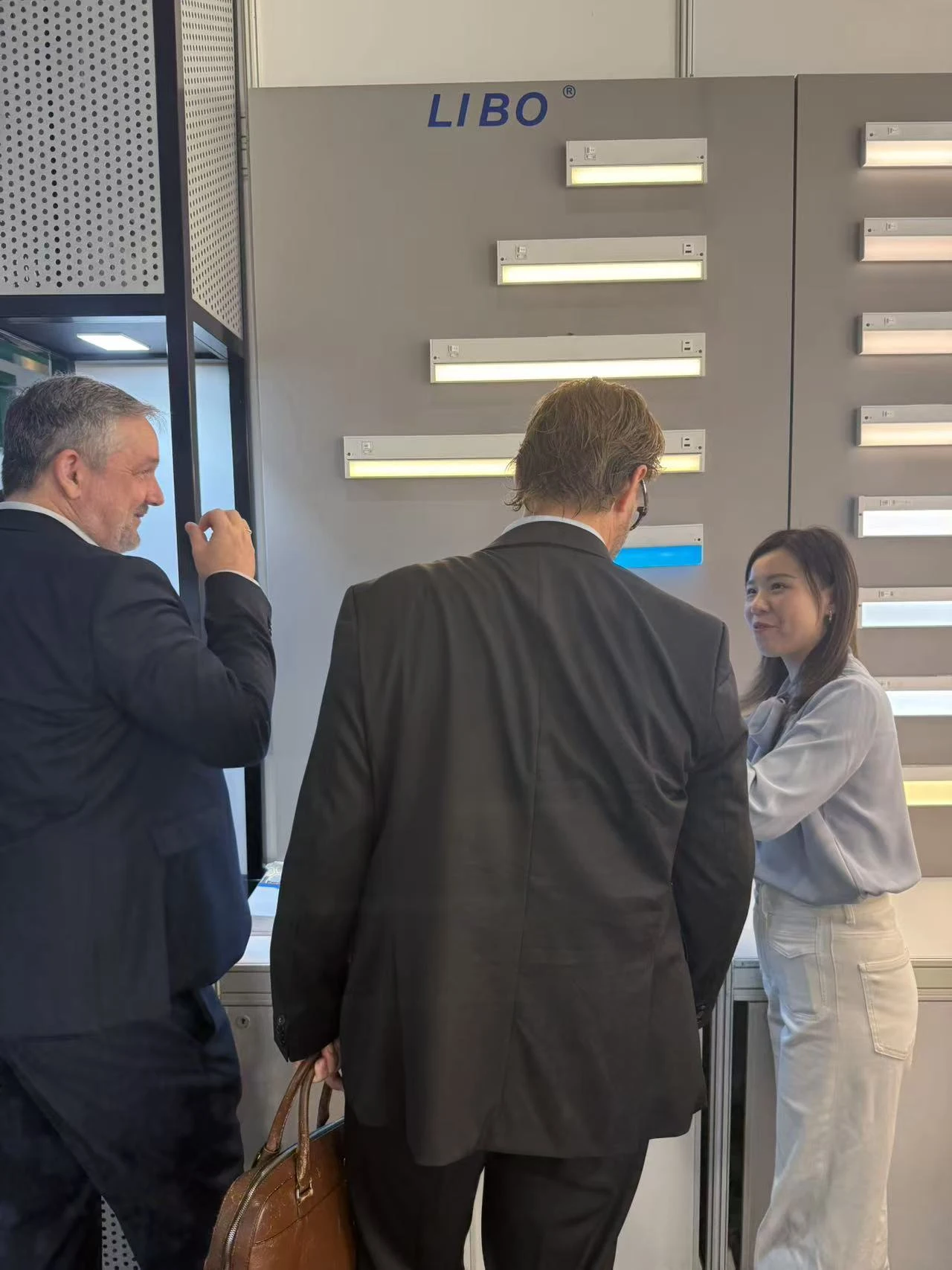
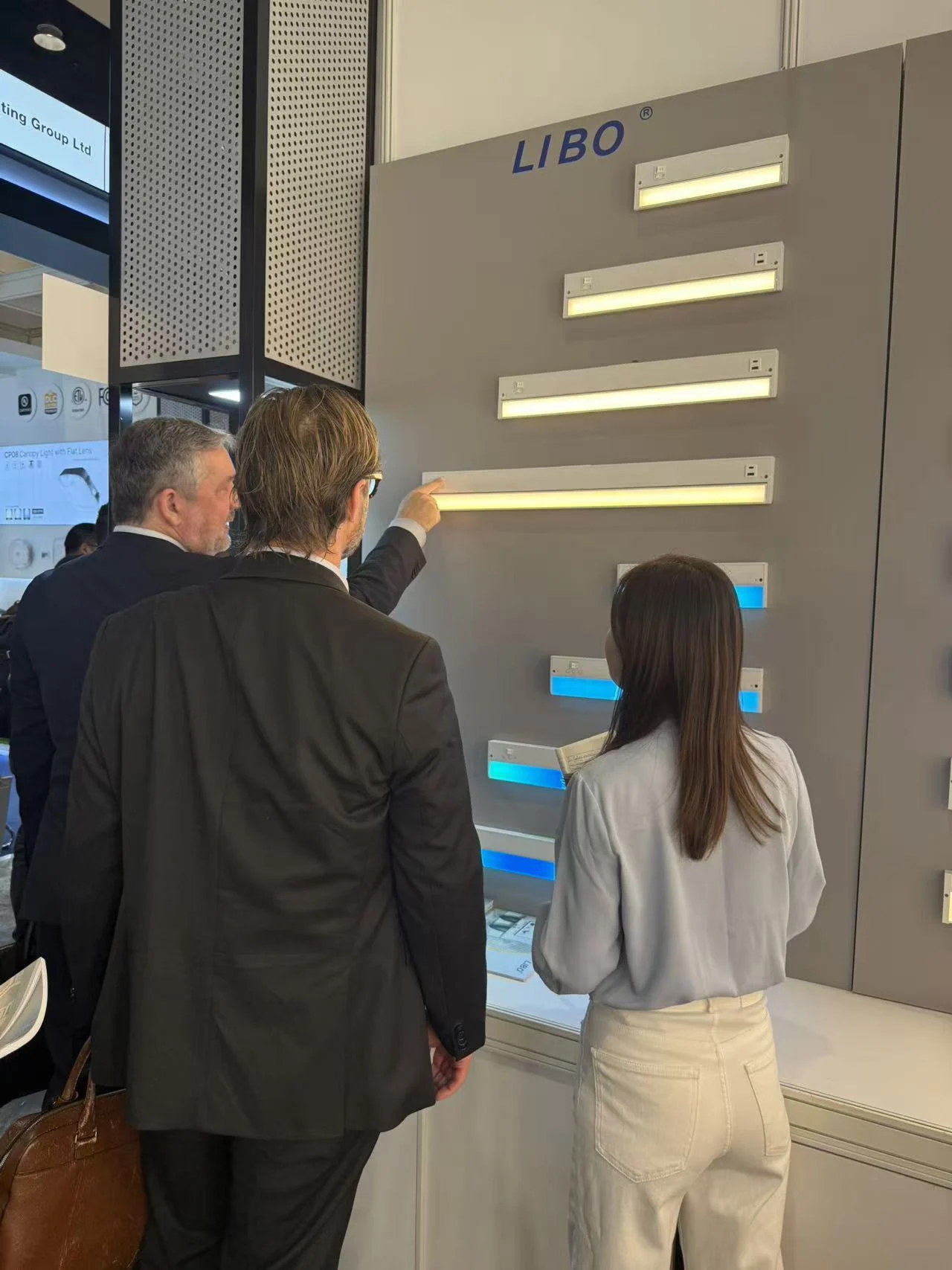
Meet LIBO Lighting at Global Trade Shows
We regularly meet lighting buyers, distributors, and product teams through offline lighting exhibitions to discuss project requirements and showcase new configurations.
Smart Lighting FAQ for B2B Buyers
Technical and procurement answers regarding our smart lighting systems.
What is smart lighting?
Which smart lighting fixtures do you manufacture?
Do smart lights require Wi-Fi or a hub?
Why does a smart light flicker at low brightness?
What happens to smart lighting after a power outage?
Can smart lighting be customized for OEM projects?
Planning a Smart Lighting Project?
Provide us with your fixture type, project quantity, input voltage, preferred control platform, and dimming requirements. Our engineering team will evaluate the product configuration and assist with sample development and quotation.
Email Us
arena@libolights.comCall Us
+86 188 2628 6509Factory Address
Room 1002, 7th, 8th, 9th, and 10th Floors, Building 4, Youchuang Intelligent Manufacturing Park, No. 9 Libo Road, Shishan Town, Nanhai District, Foshan, China